

Key Takeaways
- Consistent fluid monitoring prevents the majority of avoidable engine and transmission failures.
- Timing belt and serpentine belt replacements on schedule can prevent catastrophic, costly engine damage.
- Clean air and cabin filters protect both engine performance and passenger air quality.
- Tire pressure and rotation habits significantly affect safety, fuel economy, and tread life.
- Keeping a documented service history supports resale value and accurate diagnostics.
Why Maintenance Consistency Outlasts Any Single Service
Vehicles that reach 200,000 miles without major mechanical failures rarely do so by accident. Behind most of them is a pattern of small, repeated actions - fluid changes made on schedule, belts replaced before they snap, tires rotated before wear becomes uneven. No single service appointment extends a vehicle's life; it's the accumulation of timely, routine habits that does.
Understanding why each maintenance task matters helps drivers follow through when it feels inconvenient. The list below covers the habits that consistently separate vehicles that age well from those that accumulate expensive failures. For context on how manufacturers determine when each service should occur, the logic behind scheduled maintenance intervals is a useful foundation.
Build a Simple Monthly Walkaround Habit
Once a month, spend five minutes checking tire pressure, glancing at fluid levels under the hood, and noting any new warning lights or unusual sounds. This low-effort habit catches small issues before they escalate and keeps you calibrated to your vehicle's normal operating state.
Check and change fluids on a consistent schedule
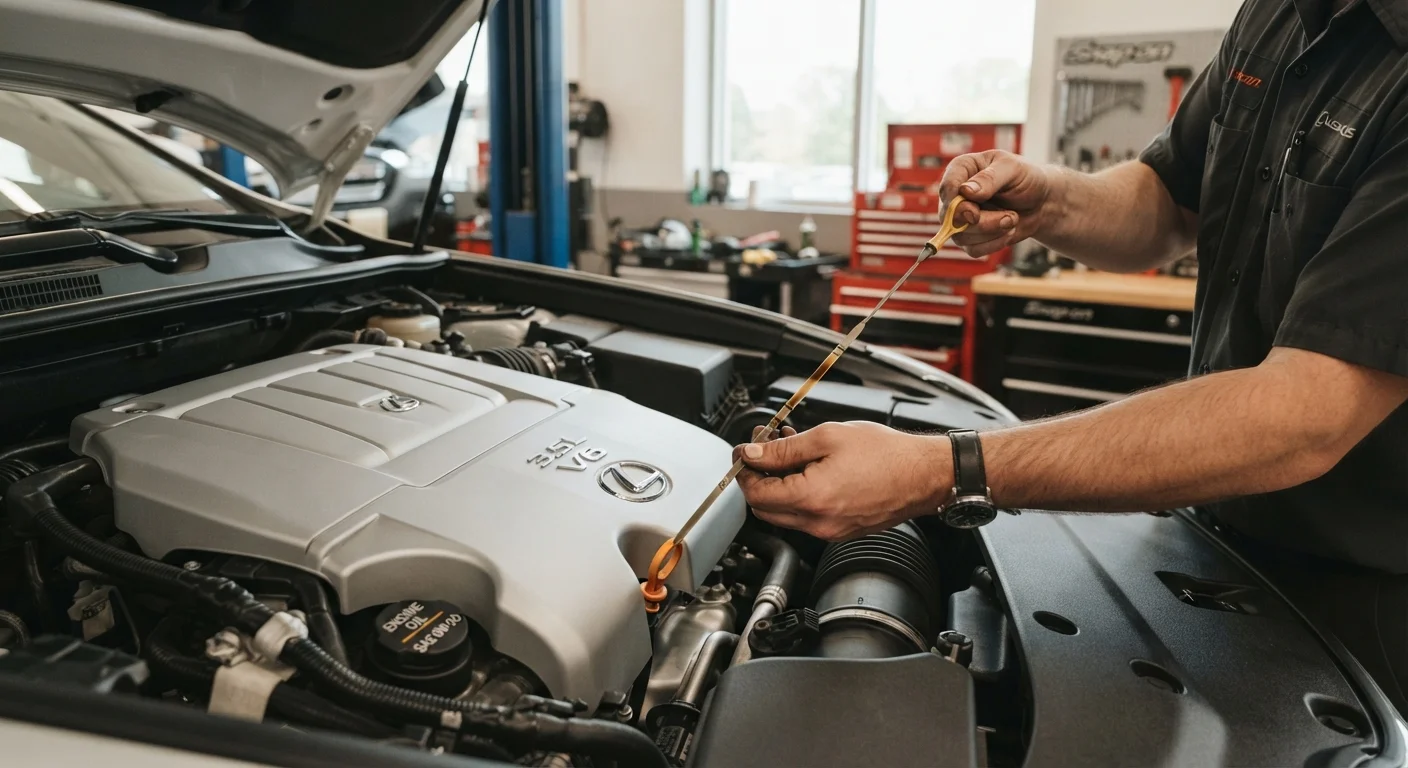
Engine oil is the most discussed fluid, but it's far from the only one that matters. Coolant, transmission fluid, brake fluid, and power steering fluid all degrade over time and under heat. Low or contaminated fluids are a leading cause of premature mechanical failure - and one of the most preventable.
Consult your owner's manual for manufacturer-recommended intervals rather than relying on generalized rules like the old "3,000-mile oil change" guideline, which modern synthetic oils have largely made obsolete. Most newer vehicles on full-synthetic oil run 7,500 to 10,000 miles between changes, but this varies by make, model, and driving conditions. Severe driving - frequent short trips, towing, or stop-and-go traffic - typically shortens those intervals.
Low or contaminated fluids are a leading cause of premature mechanical failure - and one of the most preventable.
Replace the timing belt and serpentine belt before they fail
Few maintenance items carry higher stakes than belt replacement. A timing belt controls the synchronization of the engine's crankshaft and camshaft. If it snaps while driving, the result is often severe internal engine damage - bent valves, damaged pistons - that can total an otherwise sound vehicle.
Most manufacturers recommend timing belt replacement somewhere between 60,000 and 105,000 miles, though interference-engine designs (where valves and pistons occupy overlapping space) face the greatest consequences from failure. The serpentine belt, which drives accessories like the alternator and power steering pump, should also be inspected regularly and replaced at manufacturer-specified intervals. Neither belt shows obvious wear to the naked eye until it's very close to failure - which is why schedule-based replacement matters more than waiting for symptoms.
A timing belt that snaps while driving can cause severe internal engine damage, potentially totaling an otherwise sound vehicle.
Keep tires properly inflated and rotated
Tires are the vehicle's only contact with the road, making their condition central to both safety and longevity. Underinflation is one of the most common - and overlooked - maintenance failures. It increases rolling resistance, reduces fuel economy, causes uneven tread wear, and raises the risk of a blowout, particularly at highway speeds.
Tire pressure should be checked monthly and always before long trips, using the placard in the driver's door jamb (not the maximum pressure printed on the tire sidewall). Rotation, typically recommended every 5,000 to 7,500 miles, evens out wear patterns across all four tires, extending their usable life meaningfully. For more on how maintenance choices connect to overall safe driving, understanding your tires' condition is a good place to start.
Checking tire pressure monthly takes under two minutes but directly affects safety, fuel economy, and how long your tires last.
Replace air and cabin filters at the right intervals
The engine air filter prevents dirt, dust, and debris from entering the intake system. A clogged filter forces the engine to work harder to draw in air, which can reduce performance and fuel efficiency over time. Most manufacturers recommend replacement every 15,000 to 30,000 miles, though dusty driving environments may shorten that window.
The cabin air filter, which cleans the air flowing into the passenger compartment through the HVAC system, is frequently forgotten but worth monitoring. A dirty cabin filter reduces airflow from the climate system and, in some cases, can circulate contaminants. Both filters are typically inexpensive and straightforward to inspect - making neglect an easy mistake to avoid.
A clogged engine air filter forces the engine to work harder, quietly reducing efficiency before any warning light appears.
Address warning lights and unusual symptoms promptly
Modern vehicles communicate through a network of sensors that trigger dashboard warning lights when something deviates from normal operating parameters. Treating those signals as background noise - or delaying a diagnostic visit because the car seems to be "driving fine" - is one of the most common patterns that turns a minor repair into a major one.
A check engine light, for instance, can indicate anything from a loose gas cap to early catalytic converter failure. The difference in repair cost between catching a problem early and waiting is often dramatic. The same logic applies to unusual sounds, vibrations, or smells. These are the vehicle's early-warning system, and responding to them quickly is a core habit of owners whose cars tend to last. For a broader look at how delayed action compounds costs, see common ownership mistakes.
Ignoring a warning light because the car still drives is one of the most reliable ways to turn a small repair into a large one.
Track your service history in writing
Even drivers who follow every interval diligently can undermine their maintenance efforts by failing to document what was done. A written or digital service record tells a mechanic exactly what's been serviced and when, reducing the chance of missed items or redundant work. It also matters significantly at resale - a verifiable maintenance history is a concrete signal of vehicle care to prospective buyers.
Logging each service doesn't require special software. A simple notebook kept in the glove box works. Note the date, mileage, service performed, and where the work was done. For a structured approach to what's worth recording, keeping a vehicle maintenance log covers the essentials in detail.
A documented service history protects resale value and gives any mechanic the context needed to diagnose problems accurately.
Building Habits That Hold Over the Long Term
The most effective maintenance routines are simple enough to actually repeat. Drivers who treat these tasks as non-negotiable - rather than optional responses to symptoms - tend to face fewer surprises and lower repair costs over the full life of their vehicles.
Owner's Manual Is the Primary Reference
Manufacturer-recommended maintenance intervals in your owner's manual take precedence over general rules of thumb. Vehicles vary significantly in their specifications, and following the manual - rather than generic mileage guidelines - is the most reliable way to stay on schedule. If your manual is missing, most automakers make digital versions available through their official websites.
If your vehicle is approaching or past 100,000 miles, some intervals and priorities shift. High-mileage maintenance covers what changes and what deserves closer attention at that stage. And if you're deciding where to have work done, understanding the tradeoffs between dealership service centers and independent mechanics can help you make a more informed choice.
Staying consistent with these habits won't make your vehicle immune to failure, but it substantially improves the odds that problems are caught early - before they become costly, disruptive, or unsafe.