

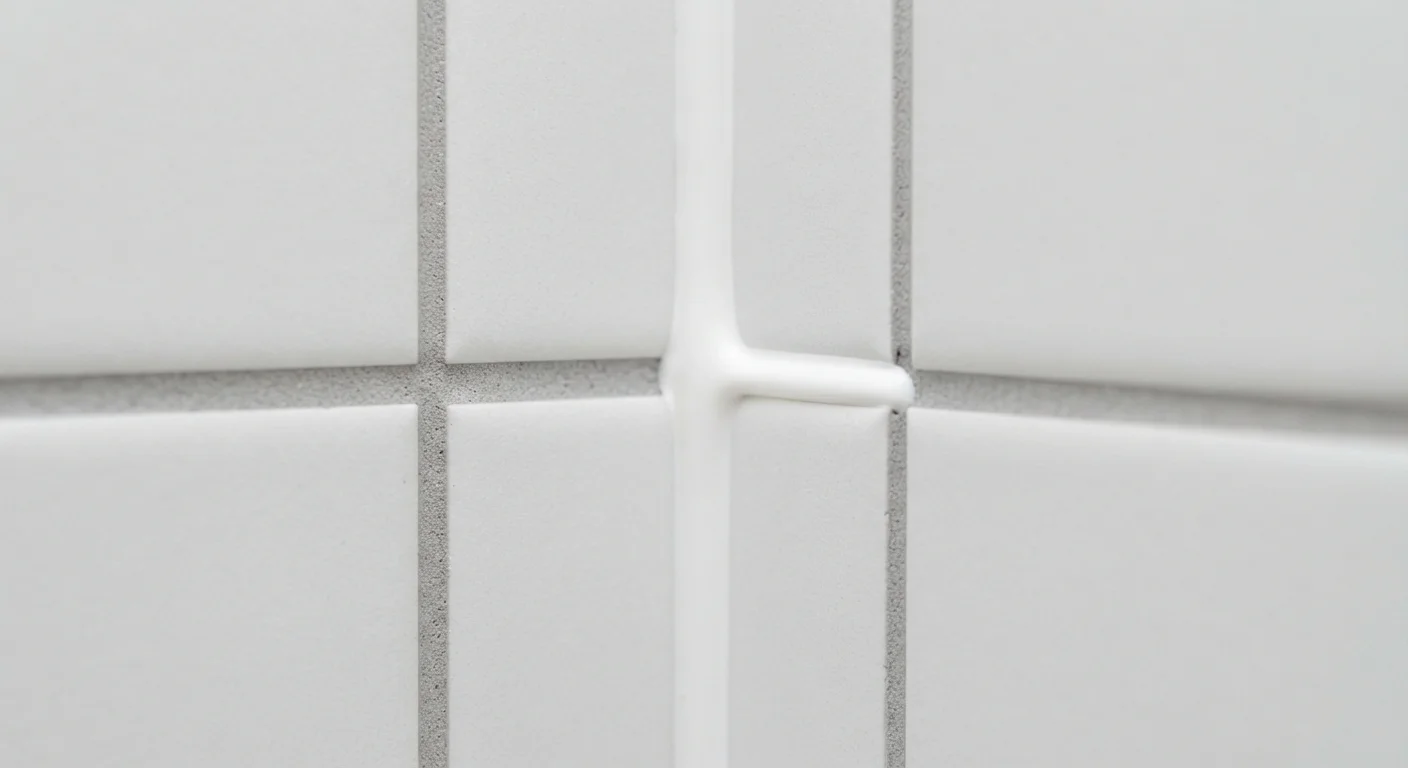
Key Takeaways
- Caulk is flexible and absorbs movement; grout is rigid and holds tiles in a fixed pattern.
- Use caulk at corners, edges, and transitions where two surfaces or materials meet.
- Use grout to fill the uniform gaps between tiles across a flat or continuous surface.
- Applying grout where caulk belongs is a leading cause of cracked, water-damaged tile joints.
- Both products are available in sanded and unsanded variants suited to different gap widths.
- Color-matched caulk lets you maintain a consistent look while using each material correctly.
Option A
Caulk
The flexible, waterproof joint sealer.
Best for: Best for joints where two surfaces meet at an angle, move, or are prone to moisture intrusion.
Option B
Grout
The rigid, durable tile filler.
Best for: Best for filling the uniform gaps between tiles on floors, walls, and backsplashes.
Filling the joints between wall tiles or floor tiles
Grout
Grout's rigid composition holds tile spacing consistent and stands up to foot traffic and regular cleaning.
Sealing the corner where a bathtub meets wall tile
Caulk
Tubs flex and settle with weight and temperature changes; only flexible caulk can move with that joint without cracking.
Finishing the edge where tile meets a different surface, like drywall or wood
Caulk
Dissimilar materials expand and contract at different rates; caulk bridges that movement gap and keeps water out.
Repairing cracked grout lines in the middle of a tile field
Grout
Matching and replacing grout restores structural integrity and appearance; caulk is not a long-term substitute here.
What Each Material Is Actually Doing
Caulk and grout look similar fresh out of the container - both are white, paste-like, and used around tile. But their jobs are fundamentally different, and mixing them up creates problems that show up months or years later as cracks, mold, and water damage behind walls.
Grout is a cement-based (or occasionally epoxy-based) filler designed to occupy the uniform gaps between tiles. Once cured, it becomes hard and inflexible, which is exactly what you want when tiles need to stay locked in position. It can handle cleaning chemicals, foot traffic, and daily wear - but it cannot flex without cracking.
Caulk is a sealant, not a filler. It's made from silicone, latex, or a hybrid of both, and it stays slightly pliable after curing. That elasticity is the whole point: wherever two surfaces meet and are likely to shift - even by fractions of a millimeter - caulk can move with them without breaking the seal.
| Criterion | Caulk | Grout |
|---|---|---|
| Composition | Silicone, latex, or hybrid polymer | Cement- or epoxy-based powder mixed with water |
| Flexibility after curing | Remains pliable and elastic | Hardens completely; no flexibility |
| Primary use | Sealing joints between dissimilar or moving surfaces | Filling gaps between tiles on a continuous surface |
| Water resistance | High (especially silicone types) | Moderate; requires sealing for best moisture protection |
| Where it belongs | Corners, edges, transitions, fixture bases | Between tiles on walls, floors, backsplashes |
| Lifespan (typical) | 5-10 years before re-application needed | 10-20+ years if properly sealed and maintained |
| Repair difficulty | Remove old bead, clean, reapply | Requires grout saw or oscillating tool to remove |
Where Each One Belongs: The Practical Rules
A reliable rule of thumb: grout goes between tiles; caulk goes where tiles meet anything else. That "anything else" includes bathtubs, shower bases, countertops, floors, wood trim, and walls made of drywall or cement board.
Use Grout Here
- Between wall tiles in a shower or on a backsplash
- Between floor tiles throughout a bathroom or kitchen
- Filling uniform, consistent tile gaps on any continuous surface
Use Caulk Here
- The horizontal joint where wall tile meets a bathtub or shower pan
- Inside corners in a tiled shower - where two tiled walls meet
- Where tile transitions to a different surface material (drywall, wood, countertop)
- Around fixtures like faucet bases where they penetrate tile
Inside shower corners are a particularly common mistake. Many homeowners grout these joints because they want a uniform look, but grout in a corner almost always cracks within a year. The walls flex slightly during use, and rigid grout simply cannot absorb that movement. Color-matched caulk is the professional solution here - it blends in and holds up. For a deeper look at what causes grout to fail, see why grout cracks and what actually fixes it.
A Note on Color Matching
Most grout manufacturers offer a coordinating caulk in the same color palette. If you're tiling a new space or repairing an existing one, look for caulk labeled to match your grout color. Using matching caulk in corners and transition joints creates a seamless look while still keeping each material in its correct role. The slight sheen difference between caulk and grout is usually visible only on close inspection.
Choosing the Right Type Within Each Category
Both caulk and grout come in variations, and using the wrong type within each category adds its own set of problems.
Grout Types
- Unsanded grout - for narrow grout joints under about 1/8 inch. Smooth texture won't scratch polished tile surfaces.
- Sanded grout - for joints 1/8 inch and wider. The sand adds body and reduces shrinkage in larger gaps.
- Epoxy grout - extremely durable and stain-resistant; a good choice for demanding areas but harder to work with and more expensive.
Caulk Types
- Silicone caulk - highly waterproof and flexible; ideal for wet areas like showers and tubs, but harder to tool and cannot be painted.
- Latex (acrylic) caulk - easier to apply and paintable; suitable for drier joints around countertops or trim, but less moisture-resistant than silicone.
- Siliconized latex caulk - a hybrid offering paintability with better moisture resistance than plain latex; a versatile all-around choice.
~70%
Of shower leaks traced to failed caulk joints
Tile industry professionals commonly attribute the majority of bathroom moisture intrusion to improperly sealed or failed caulk at tub and shower transitions rather than tile failure itself.
5-10 yrs
Typical caulk replacement interval in wet areas
Even high-quality silicone caulk in showers and tubs generally requires inspection and replacement every five to ten years to maintain a watertight seal.
When shopping, look for caulk labeled specifically for kitchen and bath use in wet areas - it contains mildewcides that help resist the mold that commonly appears in shower corners.