

Key Takeaways
- Brake pads don't always squeal before they're dangerously worn-visual inspection matters.
- New rotors don't always need to be replaced alongside new brake pads.
- Brake fluid absorbs moisture over time and should be checked and replaced periodically.
- Driving style and road conditions affect brake wear far more than most drivers realize.
- Hard stops are sometimes unavoidable, but habitual aggressive braking accelerates wear significantly.
Why Brake Myths Are Surprisingly Common
Brakes are one of the most safety-critical systems on any vehicle, yet they're also one of the most misunderstood. Most drivers only think about brakes when something feels wrong-a squeal, a shudder, or a dashboard warning light. That reactive approach, combined with decades of shop-floor folklore, has produced a handful of persistent myths that lead to either unnecessary repairs or dangerously delayed ones.
Understanding how brakes actually wear-and what the warning signs really mean-helps you make better decisions, ask sharper questions at the shop, and avoid being upsold on work your vehicle doesn't need. These myths are worth debunking one by one.
For context on how braking performance connects to your overall safety picture, see how speed and road conditions affect stopping distance.
Common Brake Wear Myths-Debunked
The following myths appear regularly in conversations between drivers and mechanics, and in online forums. Each one contains just enough truth to sound plausible, which is exactly what makes them worth addressing directly.
Myth
If my brakes aren't squealing, they're fine.
Fact
Squealing is one warning sign, but worn pads can become dangerous before-or without-producing noise.
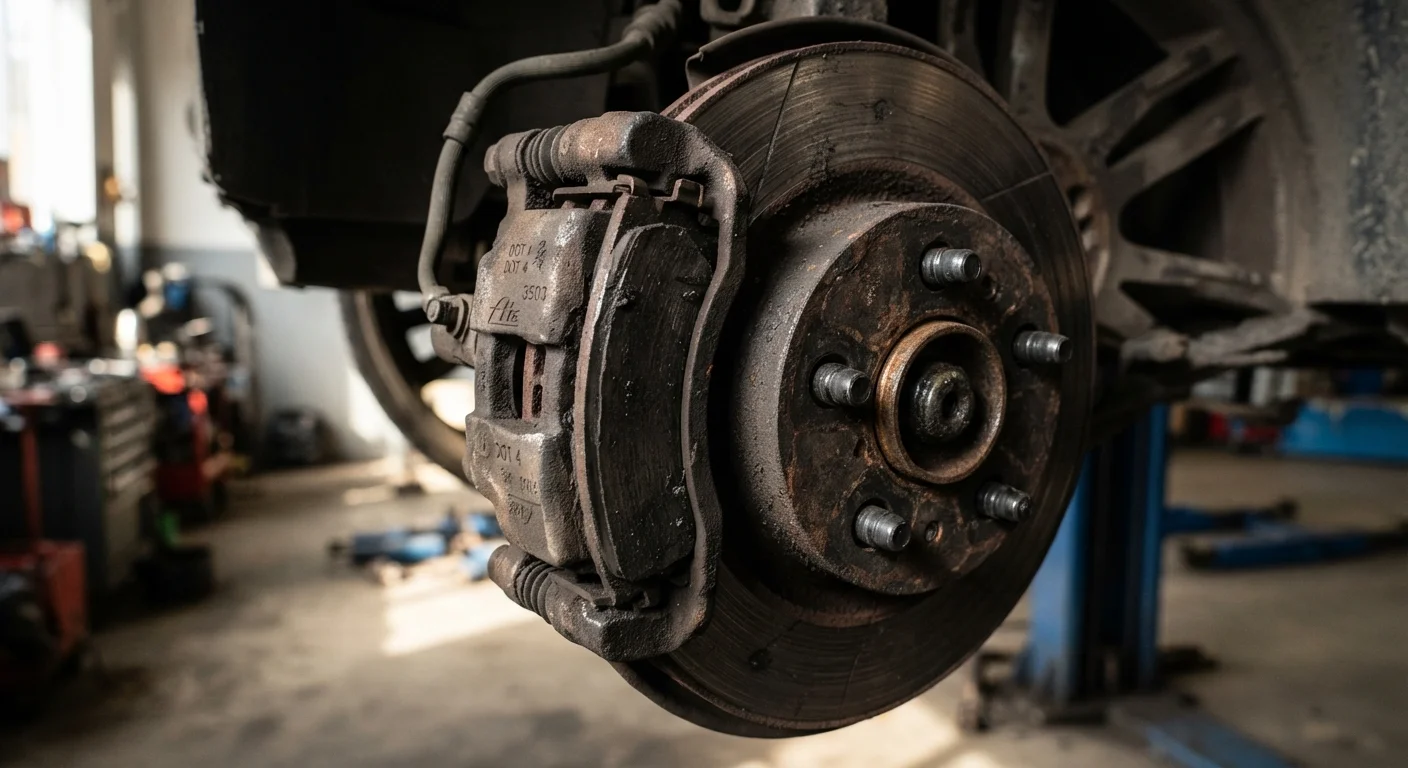
Brake pads on many vehicles include a small metal wear indicator designed to produce a squeal when pads get thin. However, that indicator can corrode, the noise can be masked by road or traffic noise, or pads can wear unevenly so only one side triggers the signal. Some drivers also confuse normal brake dust or morning rust on rotors with a more serious issue-or dismiss a genuine warning sound as ambient noise. Visual inspection by a qualified mechanic at regular service intervals is a more reliable gauge than waiting for sound alone.
Myth
You always need to replace rotors when you replace brake pads.
Fact
Rotors can often be resurfaced or left in place if they meet minimum thickness specifications and show no warping or deep scoring.
This is one of the most common upsells in brake service. Rotors have a minimum thickness specification stamped or cast into the rotor itself. If the rotor meets that specification, shows no significant scoring, and isn't warped, it may not need replacement at all. A mechanic can measure rotor thickness with a micrometer. Replacing rotors that still have usable life adds cost without improving safety. Ask to see the measurement if a shop recommends new rotors-it's a reasonable and straightforward request.
Myth
Brake fluid lasts the life of the vehicle and never needs changing.
Fact
Brake fluid is hygroscopic-it absorbs moisture over time, which lowers its boiling point and can compromise braking performance.
Brake fluid (typically DOT 3, DOT 4, or DOT 5.1 in most passenger vehicles) absorbs water vapor from the air through microscopic pathways in the brake system. As moisture content rises, the fluid's boiling point drops. Under hard braking, hot fluid can vaporize-a condition called vapor lock-which causes a sudden, dramatic loss of pedal feel. Most vehicle manufacturers recommend a brake fluid flush every two to three years, though the specific interval varies by vehicle. Check your owner's manual for the manufacturer's guidance.
Myth
Rear brakes wear out much faster than fronts.
Fact
On most passenger vehicles, front brakes handle the majority of braking force and typically wear faster than rear brakes.
When you brake, weight transfers forward, pressing the front tires harder into the pavement. Because of this physics, front brakes do proportionally more work and generally wear faster. Rear brakes handle a smaller share of stopping force, though this varies by vehicle type. Some rear-heavy vehicles, performance cars with larger rear brake setups, or vehicles with electronic brake force distribution may show more balanced or even higher rear wear. The key point: never assume front and rear wear at the same rate, and inspect both axles at each service.
Myth
Hard stops ruin your brakes immediately.
Fact
Occasional hard stops are a normal part of driving and won't destroy properly maintained brakes-but habitual aggressive braking does accelerate wear.
Modern brake systems are engineered to handle emergency and hard stops. A single panic stop on healthy pads and rotors won't cause sudden failure. What shortens brake life is a consistent pattern of late, heavy braking rather than anticipating stops and gradually slowing. City driving with frequent hard stops wears pads faster than highway driving for this reason. If you routinely find yourself braking hard at the last moment, adjusting following distance and anticipating traffic flow is one of the most effective ways to extend brake component life.
70%+
Braking force handled by front brakes
In a typical passenger vehicle, the front axle absorbs well over 70% of braking force due to forward weight transfer under deceleration.
2-3 years
Typical brake fluid replacement interval
Many vehicle manufacturers and industry service guidelines recommend inspecting or replacing brake fluid every two to three years, though owner's manual guidance varies.
What You Should Actually Pay Attention To
Rather than waiting for a specific sign or following a rigid mileage interval, the most reliable approach to brake health combines a few practical habits.
- Check pad thickness visually. On most vehicles, you can see the brake pad through the wheel spokes. A pad thinner than a quarter-inch warrants professional evaluation.
- Notice changes in feel. A spongy brake pedal, pulling to one side, or a longer stopping distance are all meaningful signals. Any of these should prompt a prompt inspection, not a wait-and-see approach.
- Include brakes in routine fluid checks. Brake fluid condition is easy to overlook. Your vehicle's service manual will list a recommended replacement interval. See our guide to what each vehicle fluid does for more on identifying problems early.
- Adjust your driving habits. Anticipating stops and coasting to reduce speed before braking can meaningfully extend pad life-particularly in city driving conditions.
Don't Ignore a Spongy or Sinking Pedal
A brake pedal that feels soft, spongy, or sinks toward the floor under normal pressure is not a minor issue. This can indicate air in the brake lines, low fluid, or a failing master cylinder-all conditions that can lead to brake failure. Have the vehicle inspected by a qualified mechanic before driving it further, and do not dismiss this symptom as something that will resolve on its own.
For a broader view of how small maintenance habits compound over time, consistent upkeep separates long-lasting vehicles from early breakdowns. Brakes are one piece of that larger picture, alongside tires, fluids, and other wear components.
ABS and stability systems can help in emergencies, but they depend on your brake hardware being in sound working order to do their job.