

Key Takeaways
- Earnest money typically ranges from 1% to 3% of the home's purchase price in most US markets.
- Contract contingencies - such as financing, inspection, and appraisal clauses - are the primary protections that allow buyers to recover their deposit.
- If a buyer walks away for a reason not covered by a contingency, the seller generally has the right to keep the deposit.
- Earnest money is held in escrow, not paid directly to the seller, until the deal closes or is terminated.
- Always read your purchase agreement carefully and consult a real estate attorney if you have questions about your specific rights.
Earnest Money Deposit
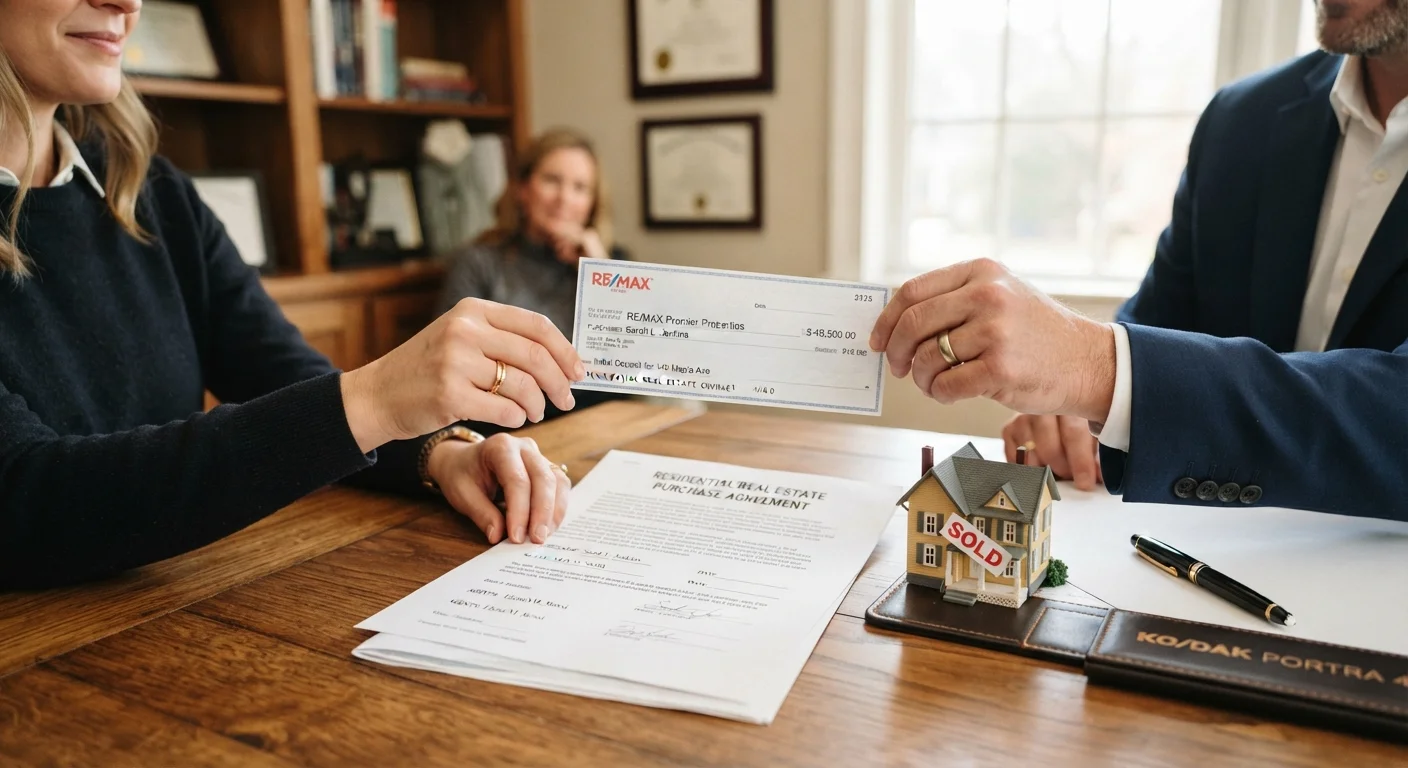
An earnest money deposit is a sum of money a homebuyer submits with a purchase offer to show the seller they are serious about buying. It is typically held in escrow by a neutral third party - such as a title company or escrow agent - until the transaction closes or falls through. If the sale closes, the deposit is usually applied toward the buyer's down payment or closing costs.
Earnest money is distinct from a down payment; it is an upfront good-faith gesture governed by the terms of the purchase and sale agreement, not a separate legal instrument. Forfeiture rules vary by contract language and state law.
How Earnest Money Fits Into the Home Purchase Process
When a buyer makes an offer on a home, earnest money accompanies that offer as a financial signal of intent. Sellers use it to gauge how committed a buyer truly is - accepting an offer and taking the home off the market carries real opportunity cost, so a meaningful deposit provides some assurance.
After the offer is accepted, the earnest money - usually due within one to three business days - goes into an escrow account held by a neutral party. It sits there throughout the contract period, insulated from both buyer and seller, until the transaction either closes or is formally terminated.
At closing, the funds are credited to the buyer. They reduce the amount needed at the settlement table, often applied first to closing costs and then to the down payment. Understanding this flow helps buyers budget accurately from the outset.
1%-3%
Typical earnest money as a share of purchase price
This range reflects common practice across many US markets, though amounts vary by region and market conditions.
30-60 days
Typical escrow period between offer acceptance and closing
Earnest money remains in escrow for the full contract period, which commonly spans one to two months for a standard residential purchase.
3
Core contingencies that most commonly protect buyers
Financing, inspection, and appraisal contingencies are the standard trio found in most residential purchase agreements across the US.
Contingencies: Your Primary Protection
Contingencies are the contractual clauses that define the conditions under which a buyer can exit a deal and recover their deposit. They are the most important safeguard a buyer has, and waiving them - something that became common in heated seller's markets - carries real financial risk.
Financing Contingency
Also called a mortgage contingency, this clause allows buyers to cancel and receive their deposit back if they cannot secure loan approval on the terms specified in the contract. If a lender denies the application or the terms change materially, this contingency provides an exit.
Inspection Contingency
This gives buyers the right to have the home professionally inspected within a defined window. If significant issues are found, the buyer can negotiate repairs, request a price reduction, or walk away with their deposit intact - as long as the contingency is active and the process is followed correctly.
Appraisal Contingency
If the home appraises below the agreed purchase price, an appraisal contingency lets buyers renegotiate or exit the contract without forfeiting their deposit. Without it, buyers face the choice of making up the gap in cash or losing their earnest money.
Track Every Contingency Deadline
As soon as your offer is accepted, map out every contingency deadline on a calendar with reminder alerts. Inspection windows, financing deadlines, and appraisal periods often run concurrently. Missing any one of them - even by a day - can eliminate your right to cancel and recover your earnest money without the seller's agreement.
When Earnest Money Is at Risk
Forfeiture happens when a buyer terminates the contract for a reason that is not covered - or is no longer covered - by an active contingency. Common scenarios include:
- Cold feet: Deciding not to buy without a contractual basis for cancellation is the clearest path to losing a deposit.
- Missing deadlines: Contingencies have expiration windows. If a buyer misses the inspection period deadline without requesting an extension, that protection may lapse.
- Waived contingencies: Buyers who waive contingencies to strengthen their offer accept the risk that comes with it. A loan denial after a financing contingency has been waived typically results in forfeiture.
- Failure to perform: Not completing required steps - submitting mortgage documents, scheduling the appraisal, showing up to closing - can constitute a breach that triggers forfeiture.
It is worth noting that disputes over earnest money do arise, and release of funds from escrow typically requires written agreement from both parties or a court order. Buyers and sellers are both well-served by keeping detailed records throughout the process - a practice that also applies to renters navigating security deposit disputes.
This article is for general informational purposes only and does not constitute legal, financial, or real estate advice. Consult a licensed real estate professional or attorney for guidance specific to your circumstances and jurisdiction.