

Key Takeaways
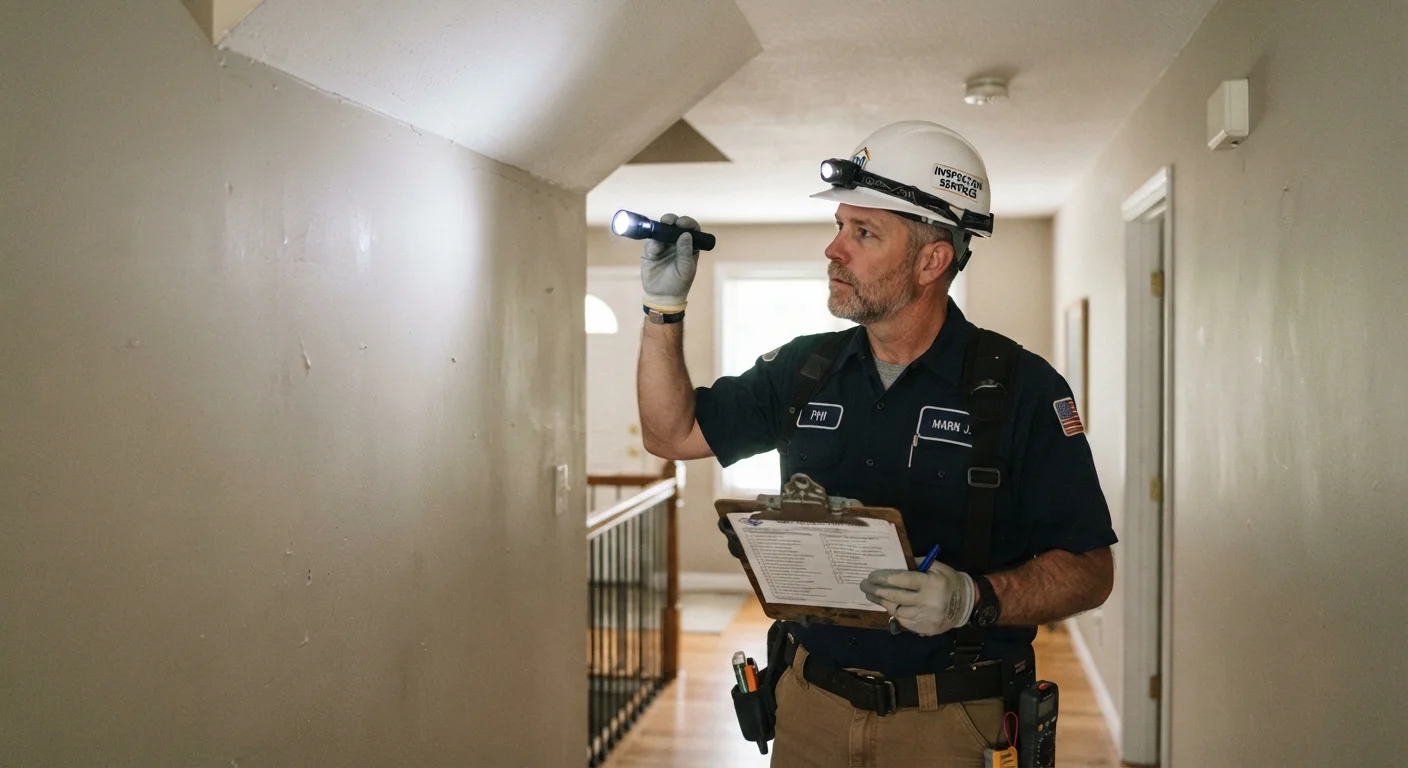
- A home inspection typically takes 2-4 hours and covers structural, mechanical, and safety systems.
- Buyers have the right to attend the inspection and ask the inspector questions in real time.
- The written report categorizes findings by severity, helping buyers prioritize negotiation points.
- Not every issue in a report is a dealbreaker - context and professional estimates matter.
- Specialty inspections (radon, mold, sewer) may be needed beyond the standard visual assessment.
What you will need
Why the Home Inspection Matters
The home inspection is one of the few opportunities a buyer has to independently verify the condition of a property before taking ownership. Unlike an appraisal - which assesses market value for the lender's benefit - an inspection is conducted entirely in the buyer's interest. It surfaces information that may not appear in a seller's disclosure, and it establishes a documented baseline of the property's condition at the time of purchase.
If you are still early in the homebuying process, our guide for first-time buyers navigating the home search provides useful context on what to evaluate before you reach the offer stage. Understanding market conditions also helps - the US housing market overview explains the broader dynamics that shape buyer leverage.
What you will need
Before the inspection takes place, confirm your contract includes an inspection contingency. This clause - explained further in our homebuying glossary - gives you the right to renegotiate or exit the deal based on findings without forfeiting your earnest money deposit.
An Inspection Is Not a Guarantee
A home inspection is a visual assessment of accessible areas on a single day - it cannot uncover every hidden defect. Inspectors are not liable for conditions they could not reasonably observe. Understanding this limitation helps buyers use the report as a risk-management tool, not an absolute clearance of the property.
How to Use Inspection Findings Effectively
The inspection report is a tool, not a verdict. Even properties in excellent condition will produce a report with a list of findings - that is the nature of a thorough assessment. The goal is not a perfect report; it is an accurate picture of what you are buying.
Attend the Inspection in Person
Being present during the inspection lets you see issues firsthand and ask the inspector questions as they work. A good inspector will explain what they're observing and indicate whether a finding is a minor maintenance item or a more significant concern. This context is difficult to fully reconstruct from a written report alone.
Consider ordering specialty inspections when the standard report identifies concerns or when property characteristics suggest elevated risk: radon testing in areas with known geology, sewer scope inspections for older homes, or mold assessments if moisture indicators are present. These are typically ordered and paid for separately.
If repair negotiations result in agreed credits or price adjustments, make sure any changes are documented in writing as a contract amendment before closing. Verbal agreements are not enforceable at the closing table. For additional protection at closing, review how title insurance protects homebuyers from ownership disputes that may predate your purchase.
Don't Waive Your Inspection Contingency Lightly
In competitive markets, some buyers are pressured to waive the inspection contingency to strengthen their offer. Doing so removes a key protection: the right to renegotiate or withdraw based on findings. Consult your real estate agent and, if applicable, a real estate attorney before making this decision.
This article is for general informational purposes only and does not constitute legal, financial, or real estate advice. Readers should consult a licensed real estate professional and, where appropriate, a licensed attorney before making decisions about their specific transaction.