

Key Takeaways
- The Japan Rail Pass is not always the most cost-effective option for every itinerary.
- Cash is still essential in Japan - many stations, shrines, and small eateries don't accept cards.
- IC cards like Suica or Pasmo simplify daily transit far more than buying individual tickets each time.
- Tokyo's subway and JR lines are separate systems requiring separate fares unless you plan carefully.
- Taxis in Japan are metered and reliable but significantly more expensive than train alternatives.
Why Japan's Transit System Trips Up Even Smart Travelers
Japan has one of the most reliable, punctual, and extensive public transit networks on the planet. Trains run on time to the minute, signage appears in English at most major stations, and the coverage is genuinely remarkable. So why do so many first-time visitors still end up confused, late, or overspending on getting around?
The answer is usually not a lack of intelligence - it's a mismatch between expectations shaped by other travel experiences and the specific logic Japan's transit ecosystem runs on. Understanding a few key distinctions before you arrive can save real money and real stress. Start with the ground-up planning primer if you haven't already mapped out your itinerary structure.
Assuming the Japan Rail Pass is always worth buying.
Why it happens: The JR Pass is heavily marketed to international visitors, so many travelers assume it's the default smart move regardless of their plans.
Treating Tokyo's subway and JR lines as one unified system.
Why it happens: Maps lump different operators together visually, and newcomers naturally assume a single fare covers all lines within the city.
Expecting to pay by credit card everywhere.
Why it happens: US travelers are accustomed to card acceptance being near-universal, so they don't bother carrying much yen.
Buying individual paper tickets for every transit journey.
Why it happens: Travelers unfamiliar with IC cards default to the ticket machines they recognize from other countries, not realizing there's a simpler alternative.
Underestimating walking distances between station exits and destinations.
Why it happens: Maps make stations look small, but large hubs like Shinjuku or Osaka Station have dozens of exits spread across several city blocks.
Paying Smarter: Cards, Cash, and Navigating the System Day to Day
Once you've cleared up the bigger planning misconceptions, the daily friction usually comes down to payment. Japan remains substantially cash-dependent compared to what most American travelers expect. ATMs at convenience stores - particularly 7-Eleven locations - are widely recognized as reliable for foreign cards, but it's worth confirming your bank's international withdrawal policies before departure.
Don't Rely Solely on Cards Abroad
Even in major Japanese cities, card terminals can be unavailable at smaller restaurants, local markets, and rural transit stops. Running out of cash in a station with no nearby ATM is a genuinely stressful situation. Always keep a functional cash reserve - ideally the equivalent of at least one full day's expected expenses - and replenish at convenience store ATMs, which are your most reliable option for foreign-issued debit and credit cards.
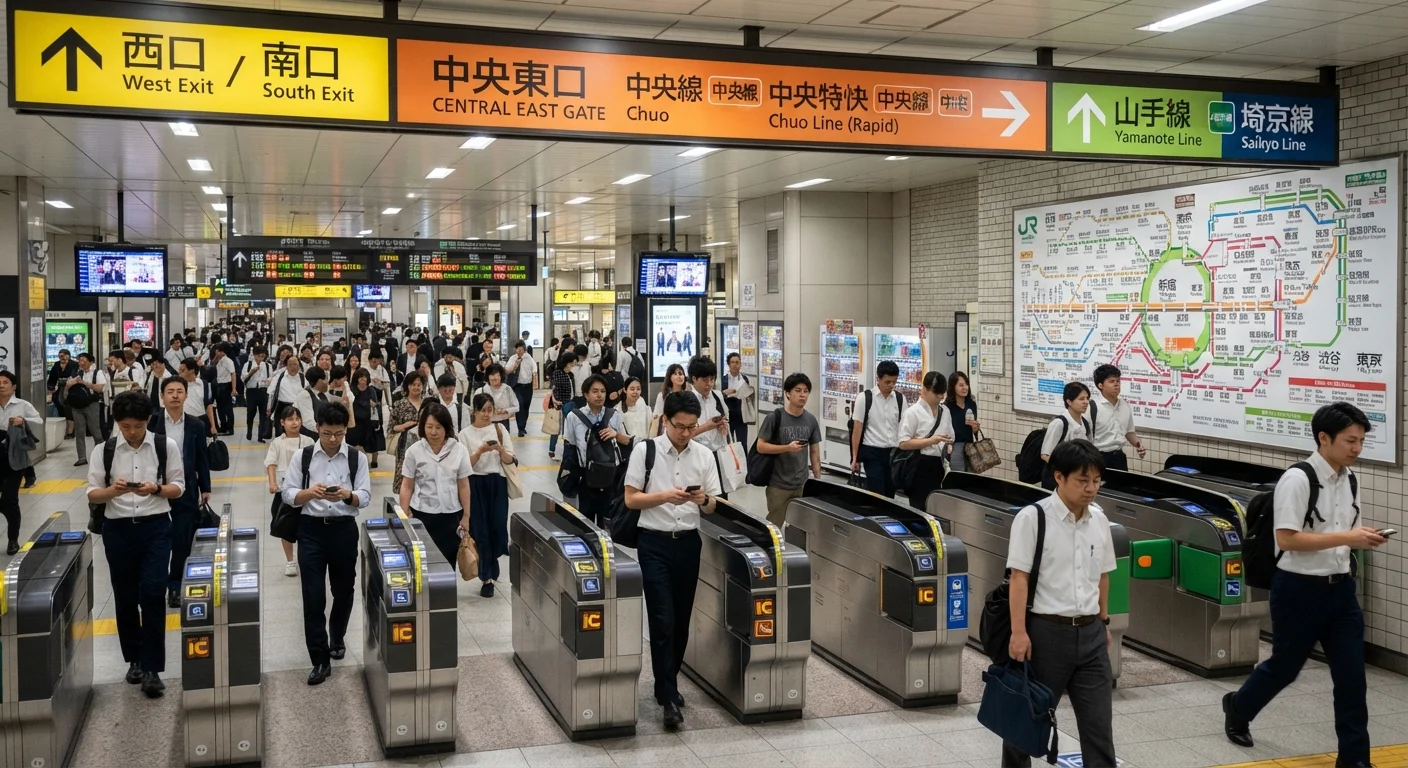
For transit specifically, loading an IC card (Suica and Pasmo are the most common) solves most day-to-day friction. These reloadable cards work across trains, subways, buses, and even some convenience store purchases. You tap in, tap out, and the correct fare is automatically deducted - no calculating, no queuing for tickets. They're available at major station kiosks and at many airports upon arrival.
For broader practical travel tips on staying organized abroad, including packing and safety basics, our travel tips hub covers those fundamentals. And if you want to contrast Japan's highly structured transit environment with a very different regional challenge, see what travelers underestimate about Southeast Asia when it comes to getting around.
Japan rewards preparation, but it also rewards flexibility. Build buffer time between connections when you're new to a city, download an offline transit app before you land, and don't be afraid to ask station staff - they are routinely helpful even through language barriers. The system is genuinely on your side once you understand its rules.
30+
Tokyo train and subway lines
Greater Tokyo is served by more than 30 rail and subway lines operated by multiple companies, making it one of the world's most complex urban transit networks.
99.9%
Shinkansen on-time rate
Japan's Shinkansen bullet trains are known for extraordinary punctuality, with average delays historically measured in seconds per trip across the network.