

Key Takeaways
- Most travel budget shortfalls come from overlooked variable costs, not the big-ticket bookings.
- Airport transfers, travel insurance, and visa fees are among the most commonly missed line items.
- A 10-15% contingency buffer helps absorb unexpected expenses without derailing your trip.
- Daily food and drink spending is frequently underestimated, especially in tourist-heavy areas.
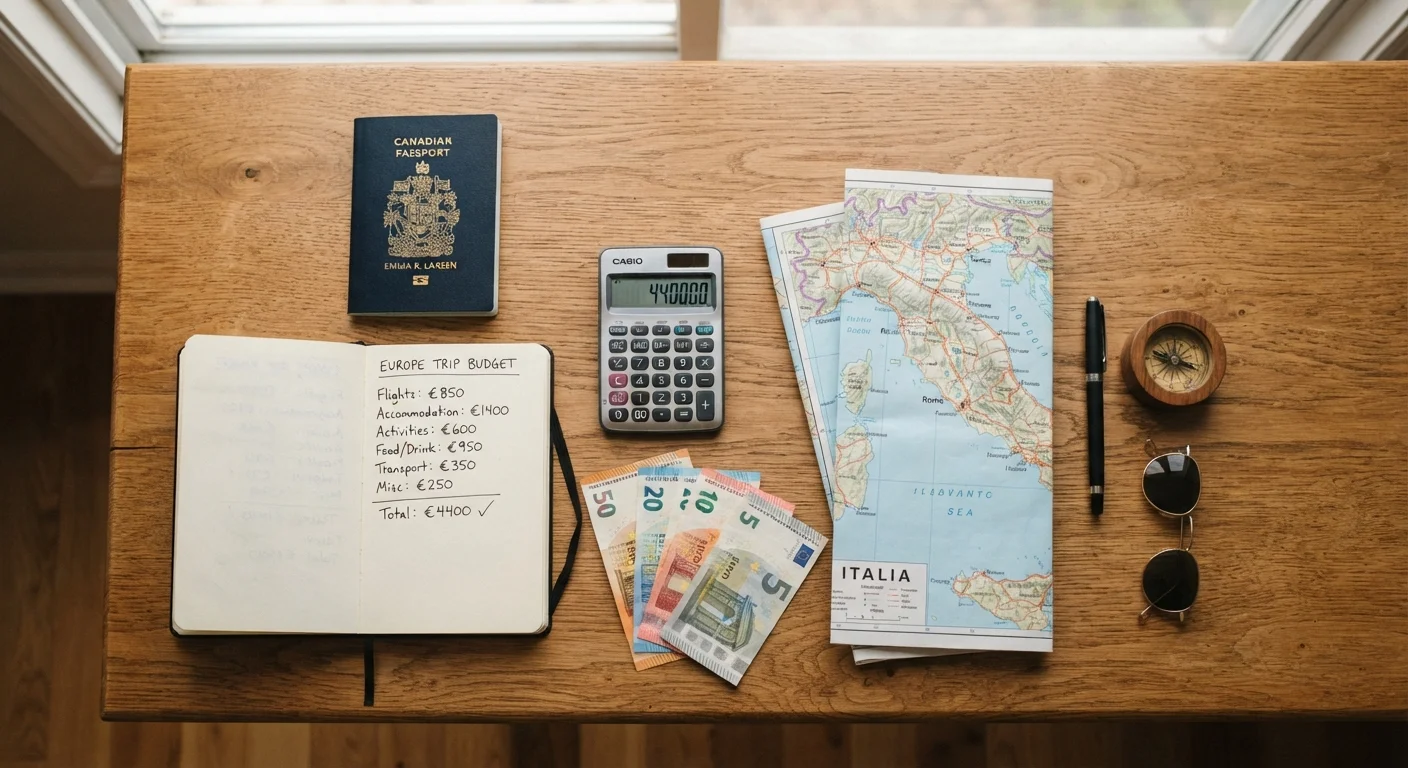
- Building a full budget before booking reveals whether a destination is genuinely affordable for you.
Travel Budget
A travel budget is a complete financial plan for a trip that accounts for every anticipated expense - from major costs like flights and hotels to smaller, easy-to-miss items like entry fees, tips, and airport transfers. A well-built travel budget helps you understand the true cost of a trip before you commit, so surprises stay few and manageable. Most people underestimate their travel costs because they focus on headline numbers and skip the details.
In personal finance terms, a travel budget functions as a project-based spending plan with both fixed costs (pre-booked accommodation) and variable costs (food, local transport, activities) that require estimates rather than exact figures.
Why Travel Budgets Break Down
Planning a trip is exciting - and that excitement makes it easy to focus on the fun parts (flights, hotels, must-do experiences) while mentally glossing over everything else. The result is a budget that looks reasonable on paper but falls apart by day three on the ground.
The gap between estimated and actual travel costs isn't random. It follows a pattern: travelers plan for fixed, visible costs and forget the variable, invisible ones. Understanding that pattern is the first step to building a budget that actually holds. For a broader look at how overlooked expenses show up across life categories, see spending categories every budget should include.
~30%
Average budget overage on leisure trips
Travel industry surveys consistently suggest a significant share of travelers spend more than planned, often due to unbudgeted daily expenses.
$50-$150+
Typical round-trip airport transfer cost
Costs vary widely by city and transport type, but travelers frequently discover this line item only after booking accommodation.
1 in 3
Travelers who skip travel insurance
A meaningful portion of leisure travelers depart without insurance, leaving themselves exposed to cancellation and medical costs abroad.
The Costs Most Travelers Miss
Here's where budgets quietly unravel. These aren't exotic edge cases - they're standard costs that simply don't make it onto most people's lists:
- Airport transfers: A taxi or rideshare from the airport to your hotel can cost as much as a night's accommodation in some cities. Research this before you land.
- Visa and entry fees: Depending on your destination and passport, these range from zero to over $100 per person. Check official government sources for current requirements well before you book.
- Checked baggage fees: Budget carriers frequently charge for checked bags at rates that aren't obvious until checkout.
- Travel insurance: Often treated as optional, insurance can represent meaningful protection against cancellations, medical costs, or lost luggage - and it belongs in your budget from the start.
- Tipping: Tipping norms vary widely by country and context. In destinations where tipping is expected, it adds up meaningfully over a week.
- Local SIM or roaming: Staying connected costs money. Factor in a local SIM card or international plan.
- Attraction entry fees: Museums, national parks, historical sites, and guided tours each carry their own price tags. A busy week of sightseeing can easily add hundreds of dollars to a trip.
Food and Drink: The Variable That Always Surprises
Food is the category most travelers consistently underestimate. It's easy to think you'll eat street food and keep costs low - and sometimes you will. But tourist-area pricing, one splurge dinner, drinks at a rooftop bar, and airport meals on travel days add up faster than expected.
A practical approach: research realistic daily meal costs for your destination through travel forums and tourism resources, then budget slightly above the midpoint. Assume at least one higher-cost meal every few days. Don't forget coffee, snacks, and bottled water - in some destinations these are negligible; in others they aren't.
Track Spending in Real Time While Traveling
Don't wait until you're home to see where the money went. A simple notes app or travel-specific budgeting app lets you log expenses as they happen, so you can adjust mid-trip before you overspend. Even a rough daily tally keeps you aware and in control.
Building a Budget That Actually Holds
A solid travel budget has three layers:
- Fixed costs - flights, accommodation, pre-booked tours. These are knowable before departure.
- Estimated variable costs - food, local transport, activities, shopping. Research-based estimates with a realistic daily allowance.
- A contingency buffer - typically 10-15% of your total estimated spend. This isn't a slush fund; it's insurance against the unpredictable.
Building this structure before you book tells you whether the trip is genuinely within reach or whether adjustments are needed. If you're new to structured financial planning, personal budgeting from the ground up is a helpful starting point for the underlying concepts.
Once your budget is set, the next challenge is making it stretch as far as possible. Smart strategies for stretching a fixed travel budget covers proven approaches to doing exactly that - from timing decisions to flexible destination thinking.
Visa and Entry Requirements Change
Visa fees, entry requirements, and health documentation rules can change with little notice. Always verify current requirements through your government's official travel advisory site and the destination country's official immigration resources before booking - not just before departure.