

Key Takeaways
- The 'severe' label covers everyday driving patterns like short trips, towing, and stop-and-go commutes.
- Severe use accelerates wear on oil, filters, brakes, and transmission fluid.
- Most drivers qualify for the severe schedule without realizing it.
- Your owner's manual is the authoritative source for your vehicle's specific severe-service intervals.
- Ignoring severe-use guidelines can shorten engine and drivetrain life significantly.
Severe Driving Conditions
"Severe driving conditions" is a term used by automakers to describe patterns of vehicle use that place greater-than-average stress on mechanical components. Despite the dramatic name, severe driving is extremely common - it includes short daily commutes, frequent stop-and-go traffic, towing, off-road travel, and operating in extreme temperatures. Vehicles used under these conditions typically need more frequent service than the standard maintenance schedule suggests.
Automakers publish two maintenance schedules in every owner's manual - a normal schedule and a severe (or "special operating conditions") schedule. The severe schedule shortens service intervals for oil, filters, transmission fluid, and other components.
Why the Term 'Severe' Is Misleading
Most drivers picture off-road expeditions or police pursuit vehicles when they hear "severe driving conditions." The reality is far more ordinary. Automakers define severe use based on how much stress a driving pattern places on mechanical systems - and everyday habits often stress those systems more than long, relaxed highway drives do.
A short trip to the grocery store, for instance, never allows the engine oil to fully heat up and burn off moisture, leading to faster degradation. Stop-and-go traffic means the transmission cycles through gears constantly and the brakes work harder per mile. These patterns are the norm for millions of US drivers, which means the severe schedule is arguably the standard schedule for most people.
See how seasonal factors layer on top of these patterns in our guide to car maintenance through the seasons.
~70%
US drivers who may qualify for severe schedule
Industry maintenance experts commonly estimate that a majority of everyday American drivers meet at least one severe-use criterion based on typical urban and suburban commute patterns.
5 miles
Trip length threshold for engine oil degradation
Most automakers identify trips under 5 miles as a severe-use trigger because the engine oil does not reach full operating temperature, accelerating contamination buildup.
2x faster
Oil degradation rate under severe vs. normal use
Automotive engineers note that repeated short-trip or towing use can degrade engine oil roughly twice as fast as steady highway driving under equivalent mileage.
What Qualifies as Severe Use
While exact criteria vary by manufacturer, the following patterns appear consistently across major automakers' owner manuals:
- Short trips under 5 miles - the engine rarely reaches full operating temperature, accelerating oil breakdown and increasing internal moisture.
- Frequent stop-and-go traffic - constant acceleration and braking cycles stress the engine, brakes, and transmission simultaneously.
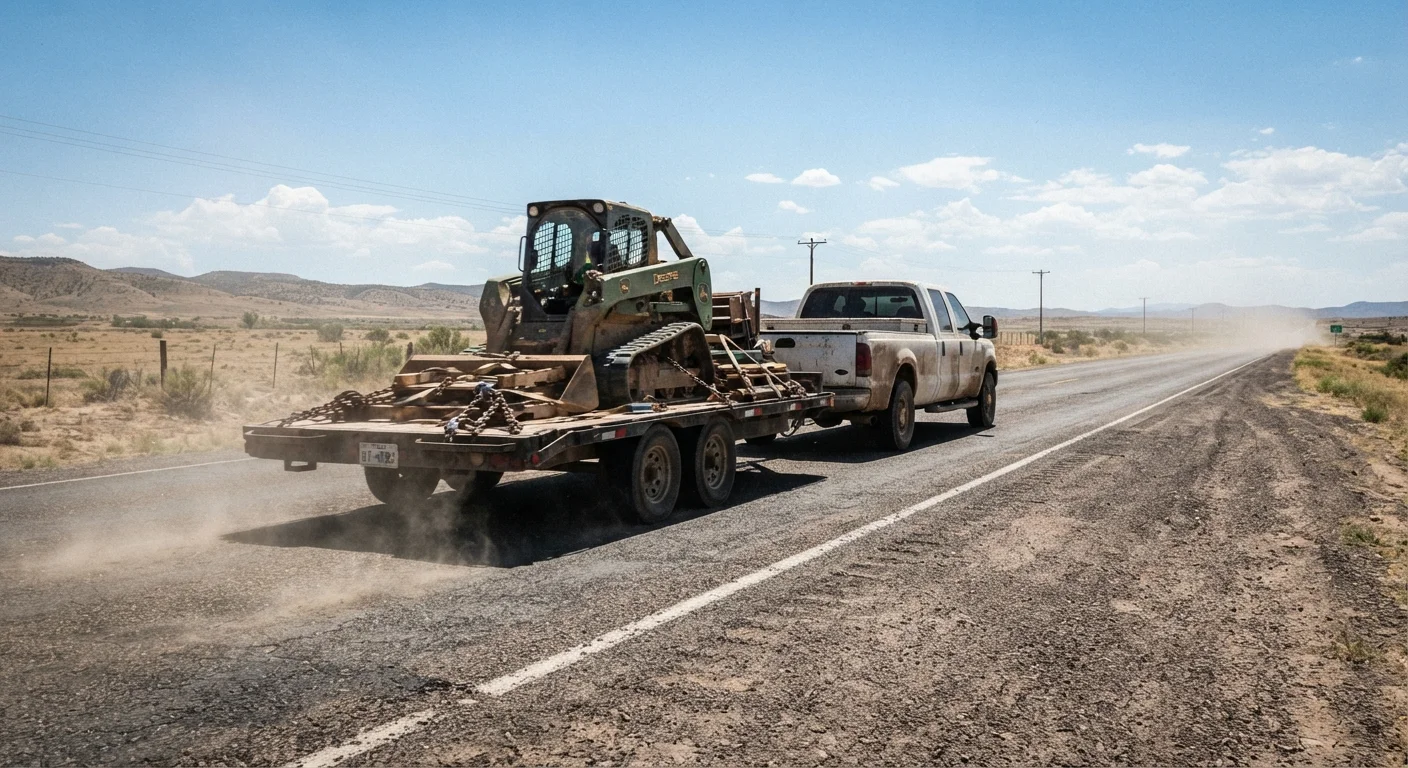
- Towing or hauling heavy loads - pulling a trailer or carrying cargo near maximum payload capacity strains the engine, cooling system, and drivetrain.
- Driving on dusty, sandy, or unpaved roads - particulate contamination enters the air filter and engine more quickly, shortening filter life and increasing engine wear.
- Extreme temperatures - both prolonged heat and sustained cold below roughly 10°F stress fluids, batteries, and seals.
- Extended idling - common in delivery vehicles or cold-climate warm-ups, idling allows engine byproducts to contaminate oil without meaningful mileage accumulation.
Check Your Manual Before Your Next Service
Before your next oil change or scheduled service, take five minutes to look up the severe-use section of your owner's manual. Compare the criteria against your typical week of driving. If even one pattern matches - short trips, dusty roads, frequent towing - flag it with your service advisor so the correct intervals are applied.
Which Components Are Affected - and How
Understanding which parts bear the brunt of severe use helps explain why the maintenance intervals shorten:
- Engine Oil
- Oil breaks down faster under repeated short trips and high-heat towing cycles. Many manufacturers halve the standard change interval under severe conditions.
- Air and Cabin Filters
- Dusty or unpaved roads clog air filters rapidly, reducing engine efficiency and fuel economy. Replacement intervals may shorten by 30-50% in consistently dusty environments.
- Transmission Fluid
- Stop-and-go driving and towing generate heat that degrades automatic transmission fluid faster than highway use. Contaminated fluid contributes to premature transmission wear - one of the more costly repairs a driver can face.
- Brake Pads and Rotors
- Frequent city stops wear brake friction material significantly faster than highway driving does. Heavy towing adds braking load on top of that.
- Coolant
- Towing and high-heat environments push the cooling system harder, and coolant additives that protect against corrosion deplete faster under sustained load.
For vehicles with high accumulated mileage, these effects compound. Our high-mileage vehicle maintenance guide covers how component wear interacts with driving intensity as odometer numbers climb.
How to Find and Use Your Severe Schedule
Every owner's manual includes a maintenance section that lists both normal and severe intervals side by side, or describes the conditions that trigger the shorter schedule. If you've misplaced the physical manual, most manufacturers publish digital versions on their websites at no cost.
When reviewing the schedule, compare the severe-use criteria against your actual driving week. Even one qualifying pattern - such as a daily 3-mile commute - is typically enough to apply the severe schedule for oil and filter changes. Multiple qualifying patterns compound the wear on multiple systems simultaneously.
It's also worth understanding how time-based triggers interact with mileage triggers. A driver who rarely accumulates miles but makes many short trips may reach a time-based oil change interval before a mileage one. Our guide to time-based vs. mileage-based intervals explains how to apply whichever threshold comes first.
“The severe maintenance schedule exists because engineers know real-world driving rarely matches the steady-state conditions that produce the normal interval. For most urban drivers, following the severe schedule is simply the accurate choice.”
— Automotive Editorial Team, Vehicle Maintenance Analysts
This article is for general informational purposes only. Always consult your vehicle's owner's manual and a qualified mechanic for maintenance decisions specific to your vehicle.