

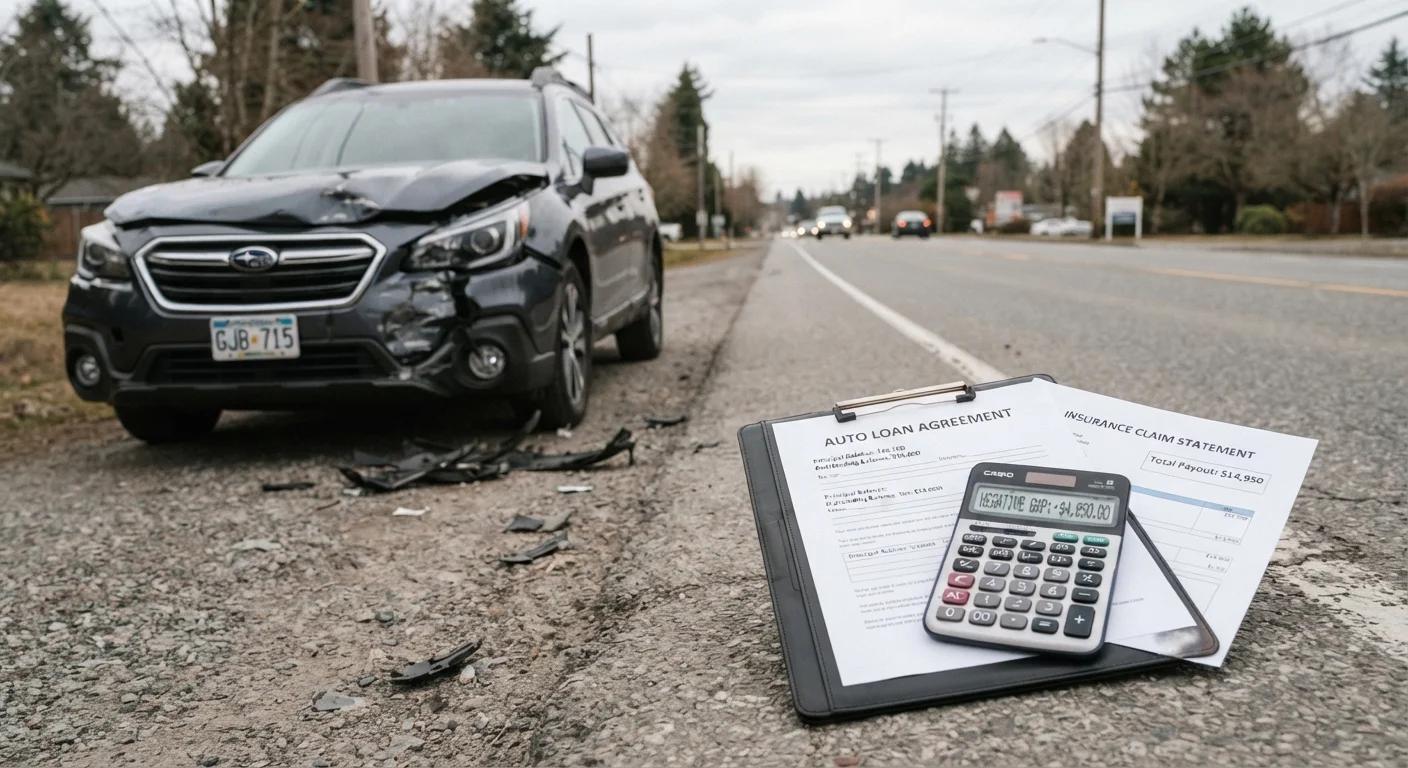
Key Takeaways
- New vehicles can lose 15-25% of their value within the first year, creating an immediate gap between market value and loan balance.
- Standard collision or comprehensive insurance pays only the car's actual cash value - not what you owe.
- Gap insurance is most valuable when you finance with a low down payment, have a long loan term, or lease a vehicle.
- Gap coverage can be purchased through an insurer, a dealership, or a lender, and costs vary between these sources.
- Once your loan balance falls below the car's market value, gap coverage is no longer necessary.
Gap Insurance
Gap insurance - short for Guaranteed Asset Protection - covers the difference between what your car is worth at the time of a total loss and what you still owe on your auto loan or lease. Standard car insurance pays out only the vehicle's actual cash value, which depreciates quickly. If that payout is less than your remaining loan balance, gap insurance covers the shortfall so you're not left paying off a car you can no longer drive.
Gap coverage is typically calculated as the difference between the insurer's actual cash value (ACV) settlement and the outstanding loan or lease payoff amount, excluding any past-due payments, late fees, or extended warranty costs rolled into the loan.
Why Your Car Insurance May Leave You Short
Most drivers assume that if their car is totaled, their insurance will take care of it. In many situations, that's true. But there's a specific scenario - more common than people realize - where a standard payout leaves the owner holding a significant financial shortfall.
When an insurer declares a vehicle a total loss, they pay out the car's actual cash value (ACV) - what the vehicle is worth on the open market at the time of the loss, accounting for depreciation. The problem: cars depreciate fast. A new car can lose a substantial portion of its market value in the first year alone, meaning your insurer's check may be thousands of dollars less than what you still owe your lender.
That gap is exactly what gap insurance is designed to close. For drivers who are financing or leasing a vehicle, this coverage can prevent a total loss from turning into an ongoing financial burden. To understand how gap fits into the broader insurance picture, see our overview of liability, collision, and comprehensive coverage.
15-25%
Typical first-year vehicle depreciation
Industry estimates consistently show new vehicles lose a significant share of their value in the first 12 months, according to vehicle valuation analysts.
~70%
New vehicle purchases that involve financing
According to Experian's automotive finance market data, the majority of new vehicle purchases in the U.S. involve some form of loan or lease financing.
Who Needs Gap Insurance - and Who Doesn't
Gap coverage isn't necessary for every driver. It's most relevant in situations where there's a meaningful risk that the vehicle's value will fall below the outstanding loan balance.
Gap insurance tends to make the most sense when you:
- Financed a vehicle with a small down payment (less than 20%)
- Took out a loan term of 60 months or longer
- Are leasing a vehicle (many lease agreements require it)
- Purchased a vehicle model known for faster-than-average depreciation
- Rolled negative equity from a previous loan into a new one
Gap insurance is likely unnecessary when you:
- Paid cash or made a large down payment
- Have nearly paid off your loan
- Own a vehicle that has appreciated or held value unusually well
One way to assess your exposure: compare your current loan payoff amount to an estimated market value from a reputable vehicle valuation resource. If the loan balance is higher, you're in gap territory. This also connects to broader decisions about coverage levels - explored further in our article on choosing the right level of auto insurance coverage.
Check Your Loan Payoff vs. Vehicle Value
You can estimate whether you currently have a gap by looking up your vehicle's market value through a reputable vehicle valuation tool and comparing it to your loan payoff statement from your lender. If the payoff is higher, gap coverage may be worth exploring. Revisit this comparison periodically - within a year or two of steady payments, many loans flip to positive equity.
Where to Get Gap Coverage - and What to Watch Out For
Gap insurance can be purchased from three main sources: your auto insurer, the dealership's finance office, or directly from a lender. The cost and terms vary considerably.
Auto insurers typically offer gap coverage as a policy add-on at relatively modest annual premiums. Dealership-sourced gap insurance is often bundled into the loan itself, which means you finance the cost and pay interest on it - making it potentially more expensive over time. Always ask for the total cost in each format before deciding.
A few other things worth understanding:
- What gap does not cover: Missed payments, fees, or add-ons rolled into your loan balance are generally excluded from the gap payout. The coverage applies to the financed vehicle value, not the total loan amount as modified by financing decisions.
- Cancellation and refunds: If you pay off your loan early or trade in the vehicle, you may be entitled to a prorated refund if you purchased gap insurance as a standalone policy. Dealership-financed products vary.
- Duration: Once your loan balance drops below the vehicle's estimated market value, the coverage provides no practical benefit. Some drivers cancel at that point to reduce insurance costs.
Misconceptions about what insurance does and doesn't cover are surprisingly common. Our article on car insurance myths that cost drivers real money addresses several that affect real financial decisions.