

Key Takeaways
- All 50 US states have some form of graduated driver licensing, though specific rules differ significantly.
- Teen crash risk is highest in the first months of unsupervised driving - GDL is designed to address this directly.
- The learner's permit stage builds foundational skills under adult supervision before solo driving begins.
- Intermediate license restrictions on nighttime driving and passenger limits target the most common crash scenarios for teens.
- Completing each GDL stage successfully is a prerequisite for an unrestricted license in most states.
- Research consistently links well-structured GDL programs to lower teen traffic fatality rates.
Graduated Driver Licensing (GDL)
Graduated driver licensing is a structured system that introduces new teen drivers to full driving privileges in stages rather than all at once. Each stage adds fewer restrictions as the driver builds experience and demonstrates responsible behavior. The system is designed to reduce crash risk during the most dangerous period of a new driver's life.
GDL systems are regulated at the state level in the US, so specific age thresholds, supervised hour requirements, and restriction details vary by jurisdiction.
Why the Graduated System Was Created
Motor vehicle crashes remain a leading cause of death among teenagers in the United States. Research from highway safety organizations has consistently identified inexperience - not recklessness alone - as the central factor. Young drivers lack the hazard perception and split-second decision-making that only accumulates through time behind the wheel.
Graduated driver licensing emerged in the 1990s as a direct response to this data. Rather than granting full driving privileges after a single road test, GDL systems guide new drivers through a sequence of stages, each expanding their independence only after demonstrated readiness. Studies by organizations such as the Insurance Institute for Highway Safety have linked robust GDL programs to meaningful reductions in teen traffic fatalities.
This approach is part of a broader understanding of how driving risk evolves over a lifetime. For a fuller picture, see how risk and ability change at every stage of driving life.
~4x
Higher crash rate per mile for 16-year-olds vs. adults
According to the Insurance Institute for Highway Safety, 16-year-olds crash at roughly four times the rate of drivers aged 20 and older on a per-mile basis.
All 50
US states with some form of GDL
Every US state has enacted a graduated driver licensing system, though the specific requirements, age thresholds, and restriction details differ significantly from state to state.
~30-65+
Required supervised practice hours by state
State-mandated supervised driving hours during the learner's permit stage range from approximately 30 hours on the low end to 65 or more hours in states with more comprehensive requirements.
Stage One: The Learner's Permit
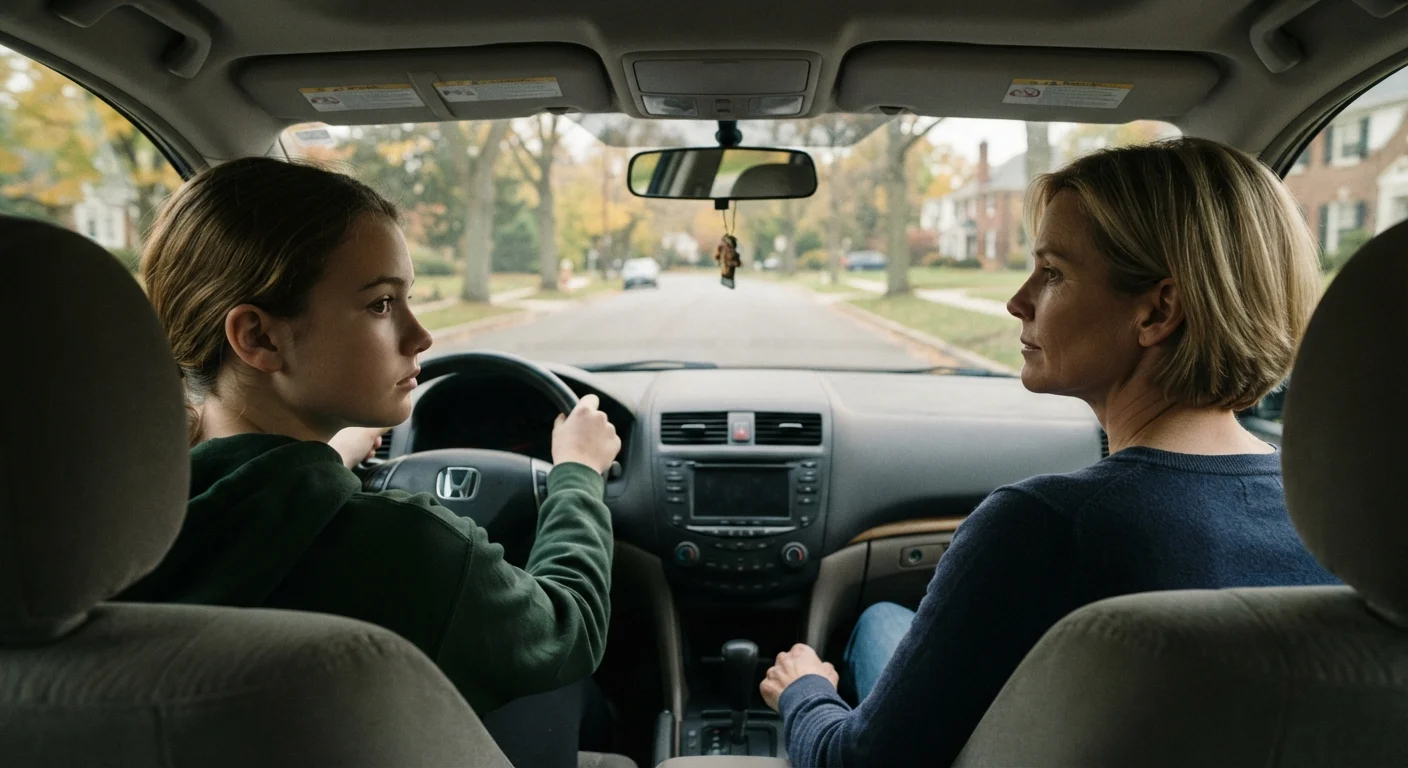
The learner's permit stage is where foundational skills are built. A teen who passes a written knowledge test earns the right to practice driving - always with a licensed adult supervisor present. This adult is typically required to sit in the front passenger seat and hold a license for a minimum number of years, depending on the state.
The required practice hours during this stage - which can range from 30 to 65 or more depending on jurisdiction - are intentional. They force exposure to different road types, weather conditions, and traffic volumes before the teen ever drives alone. Many states specifically require a set portion of those hours to be logged at night.
Make the Most of Supervised Practice Hours
Don't treat the required hours as a box to check - vary the practice conditions deliberately. Include highway driving, rural roads, heavy traffic, and at least some night driving with supervision present. The broader the exposure during this stage, the better prepared the teen will be when restrictions lift.
The learner's permit stage also establishes accountability early: violations during this phase can affect progression. For parents and teens alike, this is the period to take seriously, not rush through.
Stage Two: The Intermediate (Provisional) License
After completing the supervised phase and passing a road skills test, most teens advance to an intermediate or provisional license. This stage allows solo driving - but within specific restrictions designed to address the scenarios where new teen drivers crash most often.
Nighttime driving limits: Most states restrict driving after a certain hour, commonly ranging from 10 p.m. to midnight on weekdays and midnight to 1 a.m. on weekends. Crash data shows teen risk spikes significantly after dark, independent of fatigue.
Passenger restrictions: Many states limit the number of non-family passengers a new teen driver may carry, and some prohibit any peer passengers in the first months. Research shows that each additional teen passenger in the vehicle measurably increases crash risk - a dynamic that peer passenger limits directly address.
Infractions during this stage often carry consequences beyond a standard fine, including extended restriction periods. Understanding what new drivers commonly misjudge during this phase can help families set realistic expectations - common mistakes new drivers make in their first year explores this in detail.
Stage Three: The Full License and What Comes Next
A full, unrestricted license is typically available at age 17 or 18, once the intermediate holding period is complete and no disqualifying violations have occurred. At this point, nighttime and passenger restrictions lift - but the learning process is far from over.
The skills that reduce long-term crash risk don't come automatically with age; they come from deliberate practice and awareness. Defensive driving principles - anticipating hazards, managing space, and staying mentally engaged - are worth building early and maintaining throughout a driving lifetime.
Because licensing rules vary considerably across states, newly licensed drivers who move or travel should verify local requirements. State-by-state differences in car ownership rules is a useful reference for understanding how those variations affect everyday driving obligations. And for teens transitioning to vehicle ownership, a new driver's roadmap to car ownership covers the practical steps from titling to insurance setup.
“The greatest gains in teen driver safety have come not from better roads or better cars, but from keeping inexperienced drivers out of the highest-risk situations until they've had time to build basic skills.”
— Anne McCartt, Senior Vice President for Research, Insurance Institute for Highway Safety (paraphrased from published IIHS research commentary)