

Key Takeaways
- Closing costs typically add 2-5% of the loan amount on top of your down payment.
- Escrow accounts for taxes and insurance create ongoing monthly obligations beyond your principal and interest.
- HOA fees, maintenance reserves, and utility costs are frequently overlooked until after closing.
- Budgeting for hidden costs before you search prevents financial stress after you move in.
Why First-Time Buyers Get Blindsided
The homebuying process is marketed around one number: the purchase price. But for first-time buyers, that figure represents only a fraction of what home ownership will actually cost in the first year. The gap between the sticker price and the true financial commitment catches many buyers off-guard - not because they're careless, but because the additional costs are scattered across the transaction and rarely presented as a unified total.
If you're early in your search, understanding the full homebuying landscape before you fall in love with a property will put you in a far stronger position. And if you're currently renting, it's worth comparing what you're already paying - the true cost of renting goes beyond monthly rent just as the true cost of buying goes beyond the mortgage.
Treating closing costs as a minor footnote rather than a major line item.
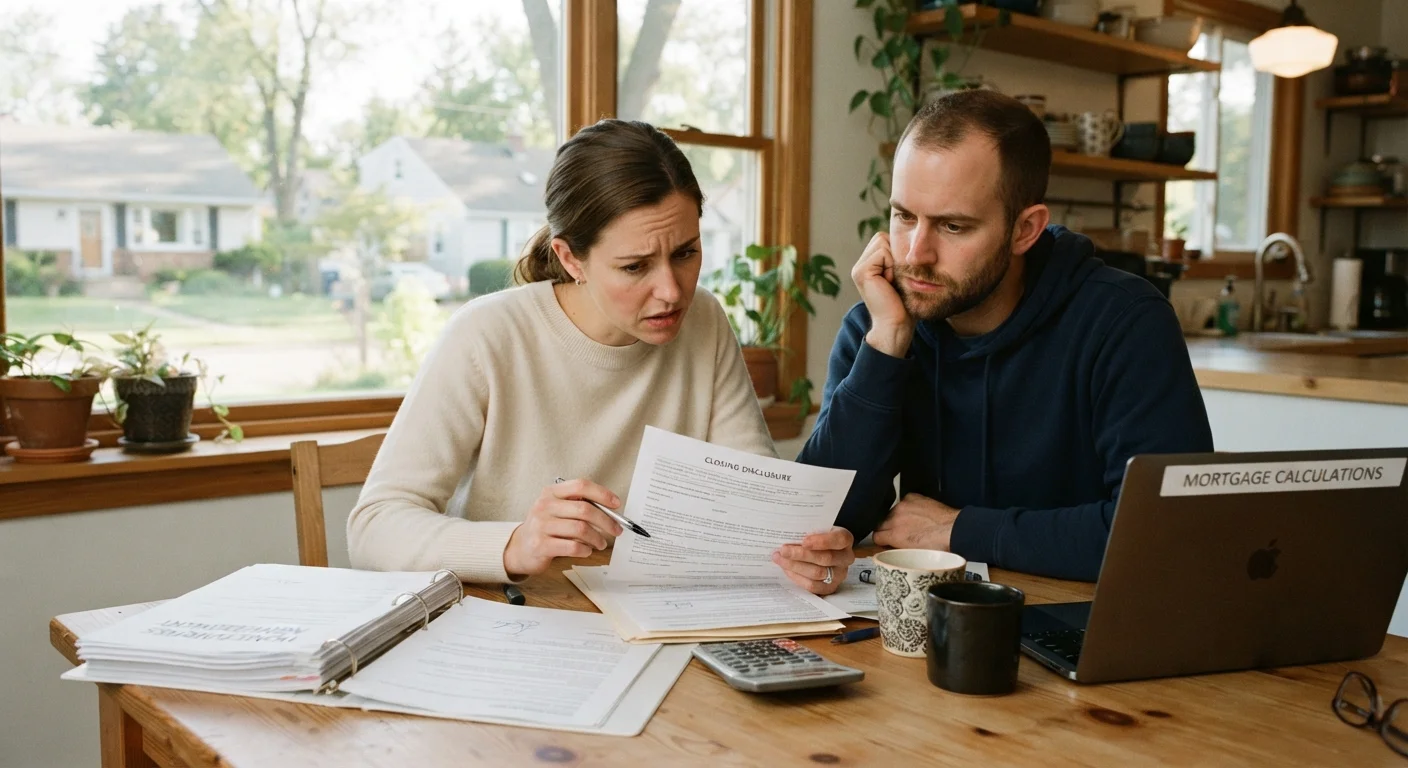
Why it happens: Buyers focus intensely on saving for a down payment and assume closing costs will be manageable. The actual range - typically 2-5% of the loan amount - comes as a shock when the Closing Disclosure arrives days before settlement.
Underestimating the ongoing cost of an escrow account.
Why it happens: Many buyers see their monthly mortgage payment as a fixed number, not realizing that lenders typically require an escrow account that collects property taxes and homeowner's insurance monthly. When taxes are reassessed after purchase, the escrow payment can increase.
Overlooking HOA fees, special assessments, and reserve fund shortfalls.
Why it happens: In a competitive market, buyers often focus on getting an accepted offer and skip a thorough review of HOA documents. Monthly dues that seem modest can rise, and special assessments for major repairs can run into thousands of dollars.
Skipping a realistic estimate of utility and maintenance costs.
Why it happens: Buyers moving from an apartment often underestimate what it costs to heat, cool, and maintain a larger, older structure. There's no landlord to call - every repair comes out of the homeowner's pocket.
Ignoring the cash needed immediately after closing for move-in expenses.
Why it happens: After months of saving for a down payment and closing costs, buyers often arrive at their new home financially depleted - right when they need funds for movers, appliances, immediate repairs, or pest treatment.
Building a Budget That Reflects Reality
Avoiding these pitfalls starts with assembling a complete cost picture well before you make an offer. Request a Loan Estimate from any lender you're considering - this standardized document itemizes projected closing costs and helps you compare across lenders. Ask your real estate agent to share property tax histories and, if applicable, HOA financials including the reserve fund balance.
2-5%
Typical closing cost range as a share of loan amount
According to the Consumer Financial Protection Bureau, closing costs generally fall between 2% and 5% of the loan amount, depending on loan type, location, and lender.
1%
Annual maintenance reserve commonly recommended
Many housing finance educators suggest budgeting roughly 1% of a home's purchase price per year for routine maintenance, with higher amounts for older or larger properties.
Once you own the home, discipline around a maintenance reserve matters as much as making mortgage payments on time. Many financial planners suggest setting aside roughly 1% of a home's value annually for maintenance, though older homes or those in harsh climates may require more. After you've settled in, don't let renovation ambitions outpace your budget either - renovation projects carry their own hidden costs that catch even experienced homeowners off guard.
Don't Let Offer Pressure Override Financial Due Diligence
In competitive markets, buyers sometimes stretch their budget or waive reviews to win a bidding war. Purchasing at the very top of your pre-approval range leaves no cushion for the costs outlined here. A home you can afford to own - not just to buy - is always the stronger long-term choice.
Homeownership is one of the most consequential financial decisions most people make. Approaching it with a complete, honest budget - rather than optimistic assumptions - is what separates buyers who thrive from those who feel perpetually stretched. This article is for general informational purposes and does not constitute personalized financial or legal advice. Consult a qualified financial professional regarding your specific circumstances.