

Key Takeaways
- Do not cancel your current plan before the port is complete - canceling early kills your number.
- You need your account number and transfer PIN from your current carrier to start a port.
- Check that your phone is unlocked before switching to avoid compatibility issues.
- Porting typically completes within a few hours to two business days.
- Your service with the old carrier ends automatically once the port succeeds.
What you will need
What Number Porting Actually Is
Number porting is the process of moving your existing phone number from one carrier to another. In the US, federal regulations give consumers the right to keep their number when switching providers - a concept known as local number portability (LNP). The new carrier handles the transfer request; you don't negotiate directly with your old carrier to release the number.
The key thing to understand is that the port is a pull, not a push. Your new carrier requests the number from your old one. That's why you need your account credentials ready - without them, the new carrier can't prove it has your authorization to move the number. For a broader look at what to sort out before making any carrier or device change, see our guide to everything to know before upgrading your phone.
What you will need
Common Reasons Ports Get Delayed or Rejected
Most ports go smoothly, but a handful of issues account for the vast majority of problems:
- Incorrect account credentials - The account number or PIN doesn't match what's on file with the old carrier.
- Name or address mismatch - The information provided to the new carrier doesn't exactly match the old account.
- Active account freeze - If you've placed a fraud or security freeze on your account, it can block the port until lifted.
- Device payment balance - Some carriers restrict porting if there's an unpaid device installment balance, though this varies.
- Landline or business numbers - These follow slightly different porting rules and timelines than standard mobile numbers.
Never Cancel Before the Port Completes
Canceling your old account before the port finishes will release your number back into the pool - and you could lose it permanently. Keep your old account active and let the port complete on its own. The old service will terminate automatically once the number has successfully moved.
If a port is rejected, the new carrier will usually notify you with a reason code. Most issues can be resolved by correcting the information and resubmitting.
Account number and transfer PIN
Required by the new carrier to initiate the number port on your behalf.
Unlocked or compatible phone
Ensures your device can connect to the new carrier's network bands.
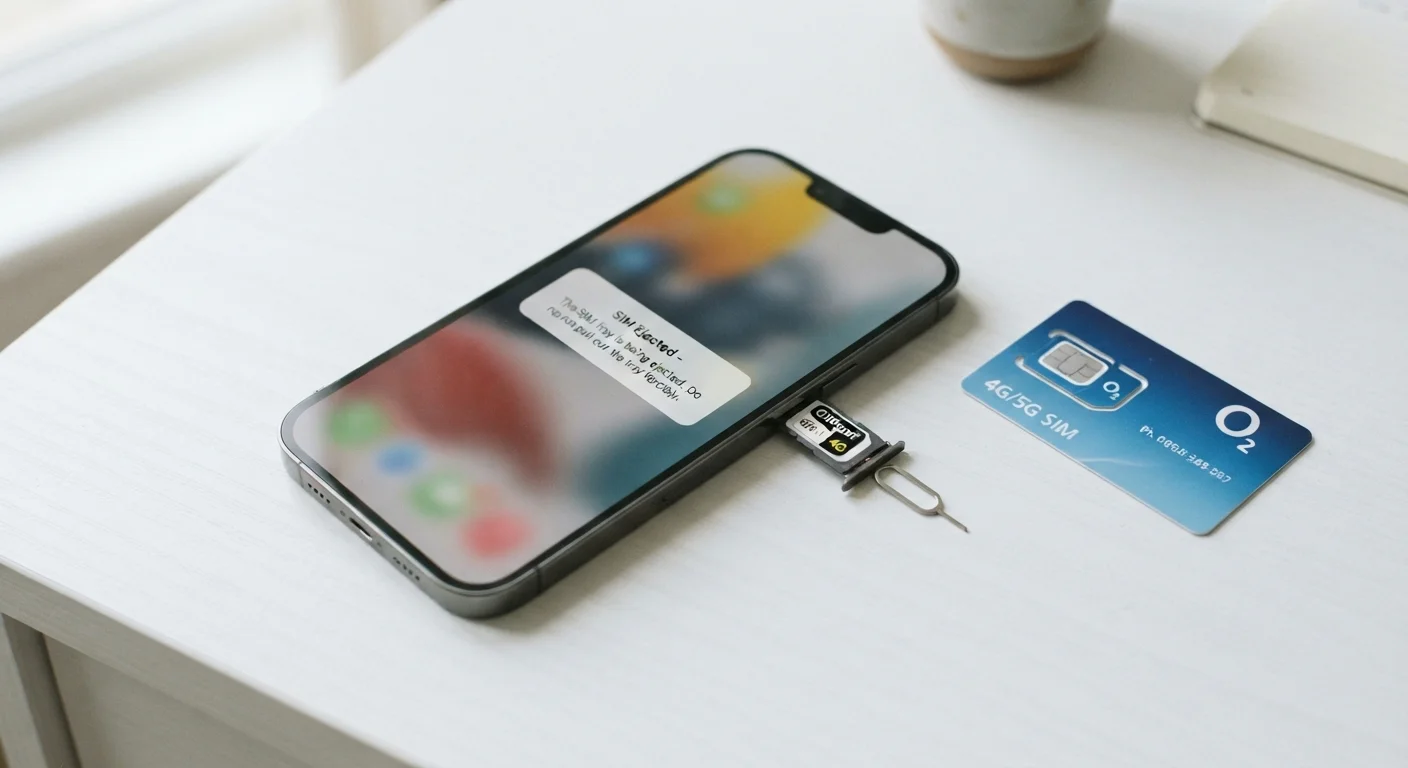
New SIM card
Connects your device to the new carrier's network; often provided during sign-up.
SIM-eject tool or small paper clip
Opens the SIM tray on most modern smartphones.
Wi-Fi connection
Keeps you online during the transition period while your cellular service switches over.