

Key Takeaways
- Nutrient density measures nutritional value per calorie, not just total calories or serving size.
- Whole vegetables, legumes, and lean proteins tend to rank among the highest nutrient-dense foods.
- Calorie counts alone do not reflect food quality - two foods with identical calories can have vastly different nutritional profiles.
- Applying a nutrient-density lens doesn't require calorie counting or restrictive eating rules.
- Beverages, including juices and sodas, can carry significant calories with little nutrient return.
Nutrient Density
Nutrient density describes how much nutritional value - vitamins, minerals, fiber, protein, and other beneficial compounds - a food delivers relative to the number of calories it contains. A nutrient-dense food packs a lot of nutrition into relatively few calories. Foods low in nutrient density supply calories but little else of measurable nutritional benefit.
Nutrition researchers sometimes quantify nutrient density using scoring systems such as the Nutrient Rich Foods (NRF) index, which weighs beneficial nutrients against nutrients to limit - including saturated fat, added sugars, and sodium - per serving.
Why Calories Alone Miss the Point
A 200-calorie handful of potato chips and a 200-calorie bowl of lentils both register identically on a calorie tracker. But they deliver entirely different nutritional outcomes. The lentils supply plant-based protein, iron, folate, and fiber. The chips supply fat and sodium, with little else. This gap is exactly what nutrient density is designed to capture.
Calorie counting became a dominant framework for thinking about food partly because calories are measurable and straightforward. But as our understanding of calorie counts and their limits has grown, it's clear that energy quantity is only one dimension of food quality. A food's ability to support health depends on what it delivers alongside those calories.
~57%
Of US adult calories from ultra-processed foods
Research published in BMJ Open estimated that ultra-processed foods account for more than half of daily energy intake among US adults - foods that are typically low in nutrient density.
10x+
More potassium in spinach vs. potato chips per calorie
Comparative USDA food data shows that per 100 calories, spinach delivers more than ten times the potassium of a standard salted potato chip, illustrating the nutrient-density gap between whole and processed foods.
How Nutrient Density Works in Practice
Applying a nutrient-density lens doesn't require a nutrition degree or a spreadsheet. The core question is straightforward: for the calories this food contains, how much nutritional value does it offer?
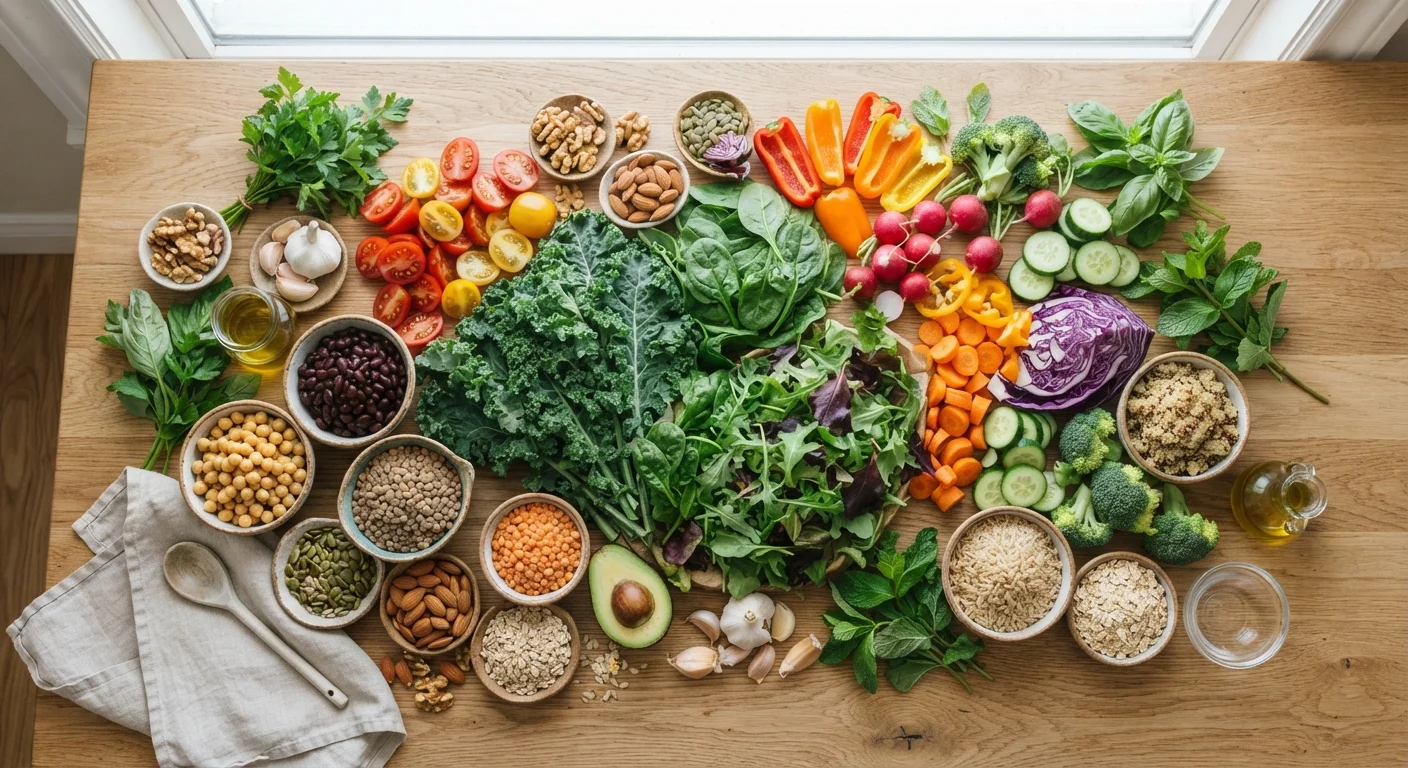
Foods that consistently score well on nutrient density include dark leafy greens like spinach and kale, legumes such as lentils and black beans, fatty fish, eggs, whole grains, and most colorful vegetables. These foods deliver vitamins, minerals, fiber, and often protein in meaningful amounts relative to their calorie content.
Foods that tend to score low include sugar-sweetened beverages, refined snack foods, and many ultra-processed products. They supply energy - sometimes a significant amount - while providing little in the way of micronutrients or fiber. This is sometimes called providing "empty calories."
A Simple Shift in Grocery Thinking
When scanning options at the store, try comparing items within the same category by their fiber, protein, and vitamin content per serving rather than focusing only on calories or price per ounce. Whole grains, canned legumes, and frozen vegetables frequently offer excellent nutrient density at accessible price points. Over repeated shopping trips, this habit builds a naturally more nutrient-dense pantry.
It's worth noting that nutrient density is not a rigid ranking system. Context matters: a food low in one nutrient may be rich in another, and dietary needs vary among individuals. The concept is most useful as a general orientation, not a strict scoring exercise.
Nutrient Density Across Food Groups
Every major food group contains both more and less nutrient-dense options. Within grains, for example, whole oats deliver fiber, B vitamins, and magnesium; refined white bread offers far less per calorie. Within dairy, plain yogurt provides protein and calcium alongside probiotics; flavored varieties with added sugars offer less nutritional return per calorie.
Vegetables generally top any nutrient-density comparison because they deliver substantial vitamins, minerals, and fiber for very few calories. Leafy greens in particular - spinach, Swiss chard, arugula - are among the most nutrient-dense foods by nearly any measure.
Protein sources also vary considerably. Skinless poultry, fish, eggs, legumes, and tofu tend to offer dense nutritional profiles. Understanding how to build a plate around these principles is explored more fully in our guide to the building blocks of a balanced plate.
Putting the Concept to Everyday Use
The practical power of nutrient density is that it reframes food decisions without requiring restriction or rigid rules. Instead of asking "how many calories is this?" the shift is toward asking "what does this food actually provide?"
When reading food packaging, looking beyond the calorie line toward the vitamin, mineral, fiber, and protein rows gives a more complete picture of value. Our guide on reading a nutrition facts label without getting lost walks through exactly how to interpret that information row by row.
Beverages are an area where nutrient density thinking is especially useful. Many drinks carry substantial calories from added sugars with minimal nutritional return - a dynamic explored in detail in our article on how hydration fits into the bigger dietary picture.
No single food determines overall diet quality, and no single meal defines long-term health. Nutrient density is most valuable as a habit of mind - a consistent preference for foods that do more nutritional work per calorie over time.
This article is for general informational and educational purposes only and is not a substitute for professional medical or nutritional advice. Consult a qualified healthcare provider for guidance specific to your health needs.