

Automotive

Pre-Road-Trip Vehicle Check

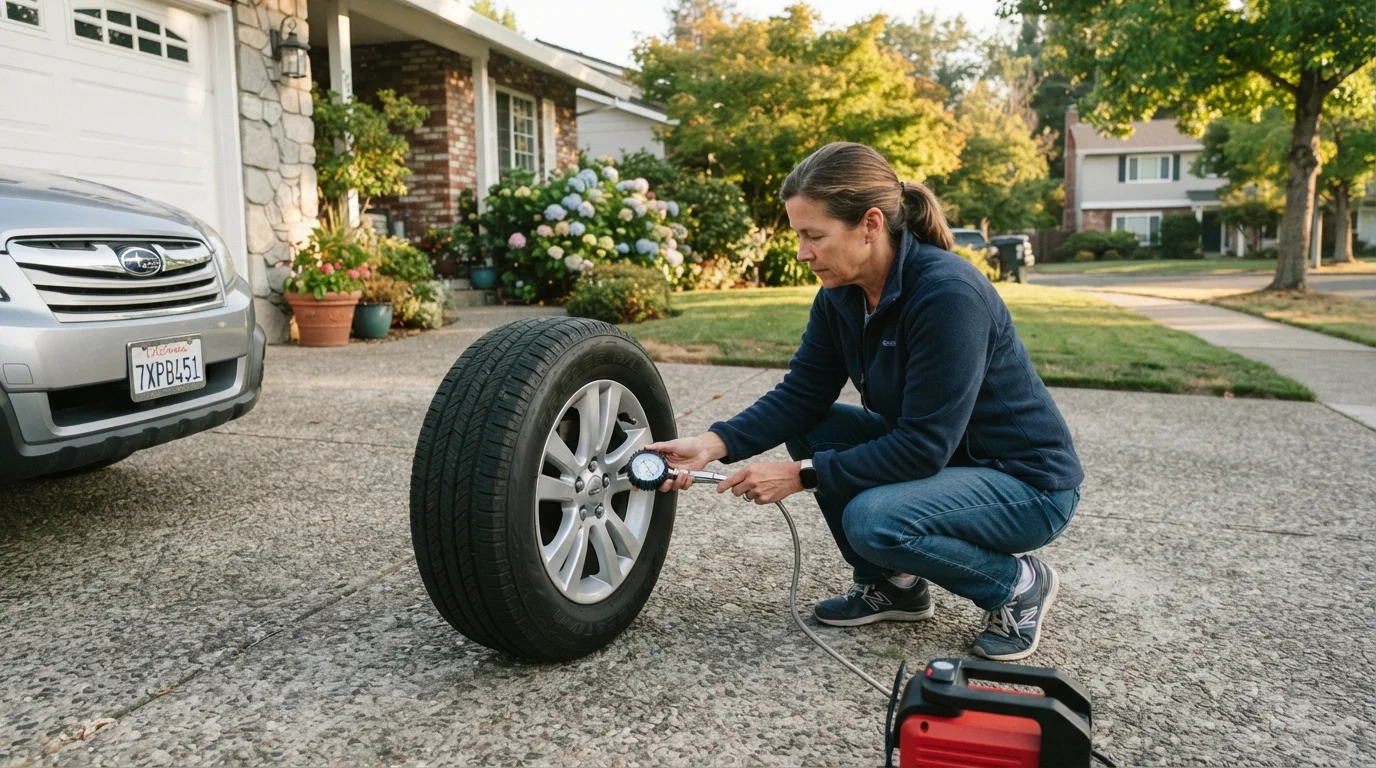
Driver checking tire pressure on a car in a driveway before a road trip

Key Takeaways

  • Tire pressure, tread depth, and condition should be verified before every long drive.
  • Fluid levels — oil, coolant, brake fluid, and washer fluid — are quick to check and critical to safety.
  • All exterior lights must be confirmed working before departure, including brake and reverse lights.
  • A basic emergency kit in your trunk can make a breakdown manageable rather than dangerous.
  • Many mechanical issues are preventable when caught early during a routine pre-trip inspection.
30–60 min

Summary

22 items · 30–60 minutes

Why a Pre-Trip Vehicle Check Matters

A road trip puts your vehicle under sustained stress — extended highway speeds, temperature changes, and long stretches between service stops. Routine driving rarely exposes minor issues the way a long drive will. A tire that's slightly low on pressure can overheat at 75 mph; a small coolant leak that's been manageable in town can leave you stranded in the desert.

This checklist is designed for everyday drivers — not mechanics. Most of these checks require nothing more than your eyes, a tire pressure gauge, and about 30 to 60 minutes. Working through them before you leave gives you confidence on the road and reduces the risk of an avoidable breakdown. For a broader look at what to do if something does go wrong, see our guide on roadside emergencies every driver should be prepared for.

If you're planning a scenic route like the Pacific Coast Highway, pairing a solid vehicle check with route-specific knowledge goes a long way — our overview of what the PCH drive is actually like covers road conditions and realistic timing worth knowing before you go.

Required

Tire Pressure Gauge

Measures tire inflation accurately so you can match the manufacturer's recommended PSI.

Required

Flashlight or Headlamp

Illuminates the engine bay, undercarriage, and tire sidewalls during inspection.

Required

Clean Rag or Paper Towels

Needed for reading the oil dipstick accurately without residue from a previous check.

Optional

Portable Jump Starter

Allows you to restart the vehicle if the battery dies without needing another car nearby.

Required

Tread Depth Gauge or Quarter

Checks whether tire tread is deep enough for safe highway driving.

The Complete Pre-Road-Trip Checklist

Work through each group below in order. Items marked must are non-negotiable for safe travel. Should items are strongly recommended, and nice-to-have additions improve comfort and preparedness without being essential.

Tires

Check tire pressure on all four tires (including the spare) using a quality gauge, and inflate to the vehicle manufacturer's recommended PSI found on the driver's door jamb sticker — not the maximum printed on the tire sidewall. Must
Inspect tread depth on each tire using a quarter test: insert a quarter into a tread groove with Washington's head facing down — if you can see the top of his head, tread depth is critically low. Must
Look for visible damage — cuts, bulges, cracking, or embedded objects — on all four sidewalls and tread surfaces. Must
Confirm the spare tire is present, properly inflated, and that the jack and lug wrench are accessible in the trunk. Should

Fluids

Check engine oil level with the dipstick when the engine is cold; add oil if the level is below the minimum mark and schedule an oil change if the oil appears dark and gritty. Must
Inspect the coolant (antifreeze) reservoir level; never open the radiator cap on a hot engine — burns can result. Must
Verify brake fluid is within the MIN and MAX lines on the translucent reservoir; a significant drop may indicate a leak and warrants professional inspection before the trip. Must
Top off windshield washer fluid with an appropriate solution for the expected temperatures on your route. Should
Check power steering fluid level if your vehicle has a hydraulic system (many newer vehicles use electric power steering with no fluid to check). Nice to have

Lights and Visibility

Test all headlights (low and high beam), taillights, brake lights, reverse lights, and turn signals — walk around the vehicle with a helper or use a reflective surface to check brake lights alone. Must
Inspect wiper blades for streaking, skipping, or cracking; replace any blade that leaves uncleared arcs, especially before driving in regions prone to rain. Should
Clean all exterior lights and the windshield inside and out to maximize visibility, particularly at night. Should

Engine and Belts

Visually inspect the serpentine belt for cracking, fraying, or glazing; a snapped belt can disable power steering, the alternator, and the water pump simultaneously. Should
Listen for any unusual noises — squealing, knocking, or grinding — when starting the engine and let a mechanic evaluate anything that sounds out of the ordinary before a long trip. Must
Confirm the battery terminals are corrosion-free and connections are snug; if the battery is more than three to five years old, consider having it load-tested at an auto parts store. Should

Brakes and Steering

Pay attention to brake feel during a slow stop in your driveway — excessive pedal travel, vibration, or a soft/spongy pedal are all reasons to have brakes professionally inspected before departing. Must
Note any pulling to one side during braking or straight-line driving, which can indicate alignment issues or uneven brake wear. Should

Emergency Supplies

Pack a roadside emergency kit including jumper cables or a jump-start battery pack, a reflective triangle or road flares, a flashlight, and a basic first-aid kit. Must
Carry a charged portable phone charger and confirm you have roadside assistance contact information saved or printed in case of signal loss. Should
Bring a paper map or downloaded offline map for your route in areas where cell coverage may be unreliable. Nice to have
Include water, a blanket, and non-perishable snacks in the vehicle, particularly for remote or desert routes where services may be hours apart. Should

Never Open a Hot Radiator Cap

Checking coolant on a hot engine can cause pressurized fluid to spray and cause severe burns. Always allow the engine to cool completely — at least 30 minutes after driving — before opening any coolant reservoir cap. If you notice steam or smell coolant while driving, pull over safely and call for assistance rather than attempting to inspect it yourself.

For deeper guidance on tires specifically — including how to read tread wear and understand inflation ratings — our article on tire pressure, tread, and rotation covers the fundamentals in plain language. And if you want a comprehensive pre-departure framework that goes beyond the vehicle itself, our driver's pre-trip checklist for safer long-distance travel complements this mechanical check with personal readiness steps.

When in Doubt, Have a Mechanic Inspect

This checklist is designed for visual and basic sensory checks that everyday drivers can perform without special training. If you notice anything unusual — warning lights, unfamiliar noises, fluid leaks, or brake irregularities — have a qualified mechanic evaluate the vehicle before your trip. Driving long distances on a compromised system increases both the risk of breakdown and potential repair costs.

Automotive Editorial Team is the collective byline for our editorial team and contributor network. Articles published under this byline or an editorial pen name are researched, written, and reviewed according to our editorial standards for clarity, consistency, and independence before publication.

View all articles by Automotive Editorial Team →
Disclaimer: The content on this site is for informational purposes only and is not a substitute for professional advice. Always consult a qualified professional for guidance specific to your situation.