

Key Takeaways
- A new vehicle can lose 15-25% of its value in the first year alone.
- Mileage, condition, and maintenance history are among the strongest factors owners can influence.
- Market demand for specific vehicle types significantly affects how quickly values fall.
- Keeping service records and maintaining a clean vehicle history can support resale value.
- Buying a vehicle that is one to three years old lets someone else absorb the steepest depreciation.
Vehicle Depreciation
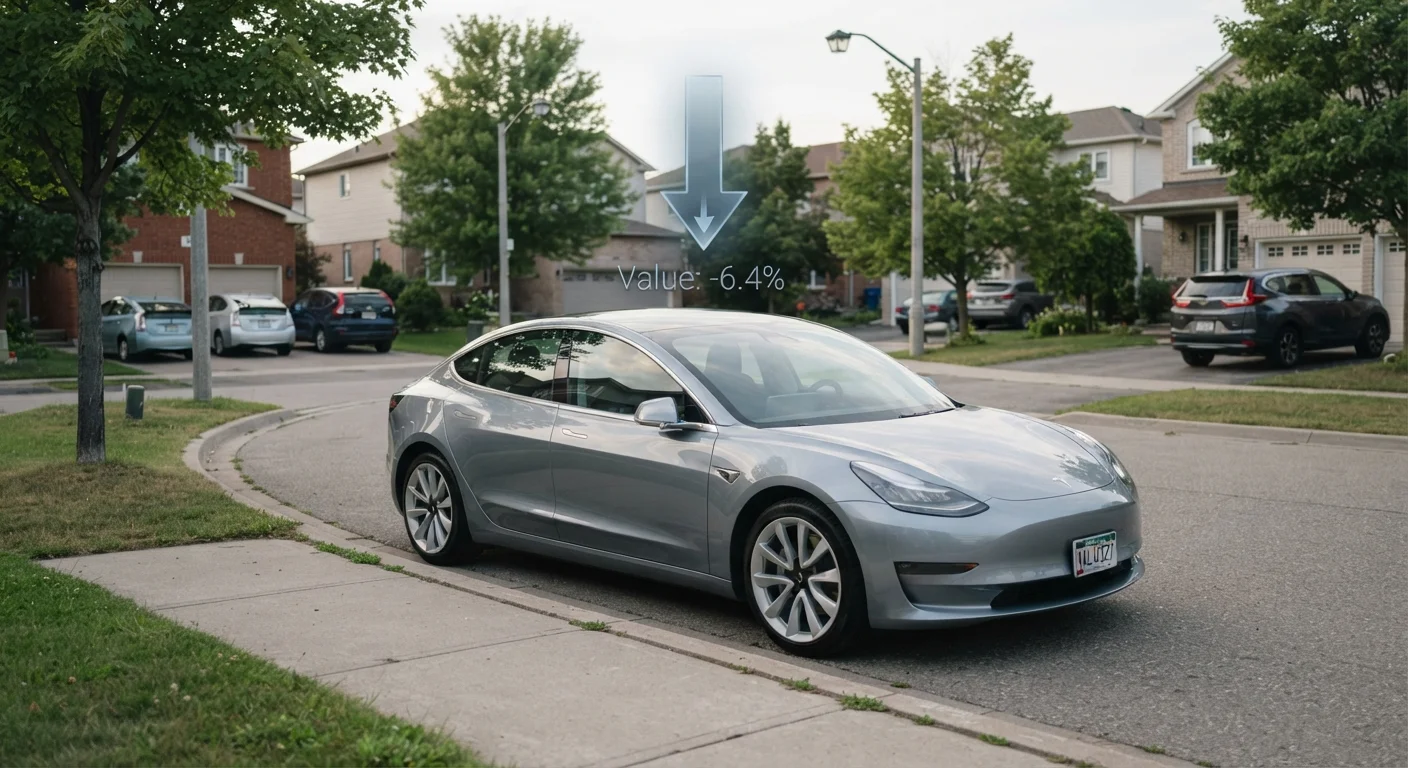
Depreciation is the loss in a vehicle's market value over time. It begins the moment a new car is purchased and continues throughout the vehicle's life, meaning the car is worth less each year than it was the year before. It is widely considered the single largest cost of owning a vehicle.
Depreciation is calculated as the difference between a vehicle's purchase price and its current resale or trade-in value. Lenders and insurers use depreciation curves to determine loan-to-value ratios and actual cash value (ACV) in total-loss settlements.
Why Depreciation Hits So Hard in the Early Years
The first few years of a vehicle's life account for a disproportionate share of its total value loss. Industry data consistently shows that new cars lose a significant portion of their value within the first 12 months - before a single scheduled maintenance visit is missed. By the end of five years, many vehicles are worth less than half their original purchase price.
The primary reason for this steep early drop is the gap between the new-car premium buyers pay and the used-car price the market will support. The moment a vehicle is titled, it is no longer "new" in any commercial sense, and the pool of potential buyers shifts dramatically. There is no warranty of manufacturer newness, no ability to customize the build, and competing inventory is available at lower prices.
This reality is worth understanding in the context of total vehicle ownership costs, where depreciation often exceeds fuel, insurance, and maintenance combined over a typical ownership period.
~20%
Average first-year value loss for new vehicles
Industry analysts commonly estimate that new vehicles lose roughly 15-25% of their value in the first year, with the precise figure varying by segment and market conditions.
~50%
Typical value remaining after five years
Many vehicles retain only around half their original purchase price after five years of ownership, though trucks and certain SUVs have historically depreciated more slowly in the US market.
$3,000+
Estimated annual depreciation cost per vehicle
The American Automobile Association (AAA) has consistently cited depreciation as one of the largest annual ownership costs, often exceeding fuel costs for many vehicle types.
The Factors That Accelerate Value Loss
While all vehicles depreciate, several factors cause values to fall faster than the average curve:
- High mileage: Every mile adds wear to mechanical components. Vehicles driven significantly above the national average annual mileage - generally cited at around 12,000-15,000 miles per year - command lower resale prices.
- Poor condition: Exterior damage, interior wear, and deferred maintenance signal future costs to buyers and reduce what they are willing to pay.
- Unfavorable vehicle history: Accidents, flood damage, and title issues substantially reduce market value. Buyers and dealers can access this history through vehicle history reports, making transparency essential. Salvage titles and other red flags are among the most damaging marks on a vehicle's record.
- Low market demand: Vehicle segments fall in and out of favor. Rising fuel prices can sharply reduce demand for large SUVs and trucks, accelerating depreciation for those segments specifically.
- Excess features or trim levels: Certain optional packages do not retain their cost in resale value, particularly niche technology features that age quickly.
Depreciation Varies by Vehicle Segment
Not all vehicle types depreciate at the same rate. Pickup trucks and body-on-frame SUVs have historically held value better than passenger sedans in the US market, partly due to sustained consumer demand and limited competition from alternative formats. Electric vehicles present a more variable picture, with depreciation rates that shift as technology evolves and charging infrastructure expands. Understanding the typical depreciation pattern for a specific segment before buying is a useful part of total cost planning.
What Owners Can Realistically Do
Owners cannot stop depreciation, but they can avoid the behaviors that accelerate it unnecessarily. The most impactful steps are also the most straightforward:
Keep a documented maintenance record. Buyers and dealers assign real value to a complete service history. Consistent maintenance habits protect both vehicle longevity and resale position.
Address problems before they compound. Small issues - a minor oil leak, a cracked seal, a warning light - become more expensive and more visible to buyers when ignored. Common ownership mistakes often have an outsized negative effect on resale value.
Manage mileage where possible. This is not always within a driver's control, but for owners with flexibility - such as those with multiple vehicles - routing higher mileage to the vehicle they plan to keep longer is worth considering.
Maintain appearance. Regular washing, prompt touch-up of paint chips, and protecting interior surfaces are low-cost habits that preserve perceived condition at resale.
Document Every Service Visit
Keep all receipts, dealer invoices, and maintenance records in a dedicated folder - physical or digital. When the time comes to sell or trade, a complete service history is one of the most straightforward ways to support your asking price. Buyers and dealers can verify much of this independently, so gaps in records tend to raise questions that work against the seller.
Buying Used: The Strategic Alternative
For buyers who want to minimize the financial impact of depreciation, purchasing a vehicle that is one to three years old is a widely discussed approach. At that point, the original owner has absorbed the steepest part of the depreciation curve, and the buyer can often access a vehicle with low mileage, remaining manufacturer warranty coverage, and a lower purchase price.
This strategy is not without trade-offs. Used vehicles carry more uncertainty about prior use and condition - which is exactly why a thorough vehicle history check and a pre-purchase inspection by a qualified mechanic are worth the time and cost before buying.
Understanding depreciation is one component of a broader picture of what vehicles actually cost to own. Combining that knowledge with informed purchasing decisions and consistent upkeep gives owners the clearest path to managing one of car ownership's most significant - and least visible - expenses.
This article is for informational and educational purposes only. Vehicle values vary based on many factors, and no specific financial outcome is implied or guaranteed. Consult a qualified automotive or financial professional for guidance tailored to your circumstances.