

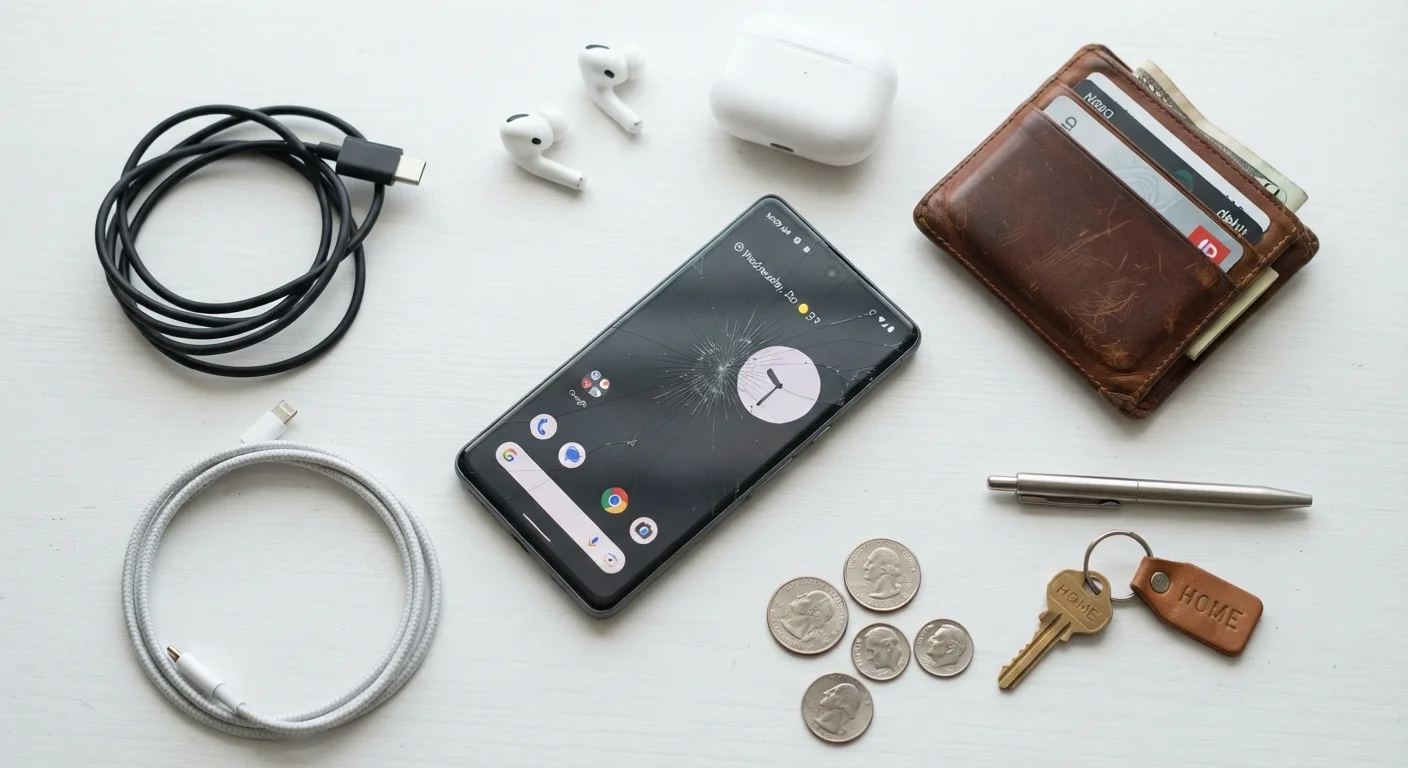
Key Takeaways
- The purchase price of a smartphone typically represents only a fraction of its total lifetime cost.
- Carrier financing, insurance plans, and accessories can significantly inflate what you actually spend.
- Screen repairs and battery replacements are common out-of-pocket expenses not covered by standard warranties.
- Understanding these costs upfront helps you budget more accurately and avoid surprise bills.
Our Verdict
Smartphones are essential tools, but their true cost goes well beyond what's printed on the price tag. Between carrier markups, protection plans, accessories, and inevitable repairs, real-world ownership costs can run hundreds of dollars more per year than most buyers anticipate. Going in with clear expectations - and a realistic budget - makes a meaningful difference.
Readers preparing to buy or upgrade a phone who want to budget accurately for the full cost of ownership, not just the device price.
Why the Sticker Price Is Just the Starting Point
When most people shop for a new phone, they focus on the device price - and understandably so. But that number rarely reflects what they'll actually spend. The real cost of smartphone ownership unfolds over months and years, through carrier plans, accessories, insurance, and repairs that quietly add up in the background.
Similar dynamics appear in other major purchases. The true cost of car ownership - fuel, insurance, and maintenance layered on top of the purchase price - follows the same pattern. Phones work the same way, just on a smaller scale that makes the extras easier to overlook.
Understanding where those additional costs come from is the first step toward budgeting realistically for your next device.
The Extras That Drive Up Real-World Cost
Once you've chosen a phone, a predictable set of additional expenses tends to follow.
Carrier Plans and Financing
Most people don't pay for phones outright - they finance them through a carrier. Installment plans spread the device cost over 24 to 36 months, and when combined with a monthly service plan, the combined bill can easily exceed $100 per month. Trade-in credits often come with conditions that limit their actual value.
Accessories
Cases, screen protectors, charging bricks (often no longer included in the box), wireless chargers, and earbuds are purchases most new phone owners make within weeks of unboxing. These commonly total $50-$150 at minimum, and premium versions cost considerably more.
Insurance and Protection Plans
Carrier protection plans and third-party phone insurance typically run $10-$20 per month. If you're weighing whether that expense makes sense for your situation, it's worth understanding exactly what each type of plan covers - our guide to phone insurance and warranty plans breaks down the differences between manufacturer warranties, carrier plans, and independent insurers.
Repairs: The Cost You Hope Never Comes
Screen damage and battery degradation are two of the most common issues smartphone owners face - and both carry meaningful out-of-pocket costs if you're not covered.
$1,000+
Average annual US smartphone ownership cost
Industry analysts estimate that when plan costs, accessories, and occasional repairs are combined, many US consumers spend over $1,000 per year on smartphone-related expenses.
$200-$350
Typical flagship screen repair cost
Manufacturer and authorized repair costs for screen damage on current flagship phones commonly fall in this range, based on publicly listed repair pricing from major device makers.
Screen replacements on flagship devices frequently run $200-$350 through the manufacturer. Third-party repair shops may charge less, though quality and parts sourcing vary. Battery replacements are generally less expensive - often $50-$100 - but are still an expense that catches many owners off guard after two or three years of use.
Standard manufacturer warranties cover defects, not accidental damage. That distinction matters enormously when a cracked screen or water damage is involved. This is the core question worth thinking through before deciding whether to add protection coverage.
What Standard Warranties Typically Don't Cover
Most manufacturer warranties cover hardware defects that occur under normal use - not accidental damage, liquid exposure, or cracked screens. That means the most common real-world damage scenarios are excluded. Before purchasing a phone, it's worth reading the warranty terms and deciding separately whether additional coverage is appropriate for your situation.
Storage, Apps, and Subscription Creep
Beyond hardware, smartphones enable - and often require - a range of ongoing digital subscriptions. Cloud storage, music and video streaming services, and productivity apps are frequently tied to smartphone use. While no single subscription feels significant, a household running several can easily spend $30-$60 per month on services accessed primarily through their phones.
App purchases, in-app upgrades, and device-specific subscription tiers add another layer. Over a two-year ownership cycle, these ongoing costs can rival or exceed the original device price for heavy users.
Budgeting for hidden costs isn't unique to phones. Renters face the same challenge - the true cost of renting an apartment similarly includes utilities, fees, and insurance that don't appear in the headline number. Recognizing the pattern across categories makes it easier to plan accurately in each one.