

Key Takeaways
- Organic gardening avoids synthetic chemicals but requires more active soil and pest management.
- Upfront costs and a steeper learning curve are real barriers for new gardeners.
- Homemade compost and natural pest controls can reduce ongoing expenses over time.
- Results may be slower, but organic methods can build long-term soil health.
- Organic gardening is adaptable to containers, raised beds, and small urban spaces.
Builds long-term soil health naturally
Compost and organic matter feed soil microbes that improve structure, drainage, and nutrient availability over multiple seasons - benefits that synthetic fertilizers don't replicate.
Reduces household exposure to synthetic chemicals
Avoiding pesticide and herbicide applications in your yard limits incidental exposure for children, pets, and pollinators that visit your garden.
Supports beneficial insects and pollinators
Organic practices encourage biodiversity, which helps attract bees, predatory insects, and other organisms that naturally manage pest populations.
Compost reduces kitchen and yard waste
A home compost system converts food scraps and garden trimmings into free fertilizer, lowering both your waste output and your garden supply costs.
Can lower long-term input costs
Once compost production and soil health are established, organic gardens can require less purchased amendment each season compared to synthetic-dependent approaches.
Steeper learning curve for beginners
Understanding soil biology, organic amendments, and natural pest cycles takes time to learn. Mistakes in the first season are common and can be discouraging.
Higher upfront costs for organic inputs
Organic compost, certified organic fertilizers, and natural pest controls often cost more per unit than conventional alternatives, making early seasons more expensive.
Pest and disease management is more demanding
Without synthetic pesticides, controlling aphids, fungal issues, or caterpillars requires frequent monitoring and timely application of physical or organic solutions.
Results can be slower and less predictable
Organic soil improvements and natural pest controls often work gradually, meaning new gardeners may see inconsistent yields in the first one or two seasons.
More time investment per week
Hand-weeding, compost management, and regular plant inspection take more active effort than applying a single synthetic product and stepping back.
Our Verdict
Organic home gardening is genuinely rewarding, but it demands patience, some trial and error, and a willingness to learn. The benefits - healthier soil, fewer chemical inputs, and the satisfaction of growing food naturally - are real, but so are the challenges around pest management, timing, and cost. Neither approach is perfect for everyone.
Best for gardeners who enjoy hands-on problem solving, are willing to invest time in learning soil health basics, and value the long-term process as much as the harvest.
What Organic Gardening Actually Means at Home
Organic gardening means growing plants without synthetic pesticides, herbicides, or manufactured fertilizers. Instead, you rely on natural inputs - compost, mulch, beneficial insects, and organic soil amendments - to feed plants and manage problems. For home gardeners, it's less about certification and more about an approach: building healthy soil, working with natural cycles, and minimizing chemical intervention.
If you're just getting started, see our guide to starting a vegetable garden from scratch for foundational setup advice that applies whether you go organic or not.
Organic at Home vs. Certified Organic
Home gardeners don't need to meet any certification standard to garden organically. The USDA Organic certification applies to commercial producers, not backyard plots. For home use, 'organic gardening' simply describes a set of practices - there's no paperwork required, and no authority overseeing your methods.
The Real Advantages of Going Organic
Organic methods offer meaningful benefits that compound over time - especially for gardeners thinking beyond a single growing season.
Builds long-term soil health naturally
Compost and organic matter feed soil microbes that improve structure, drainage, and nutrient availability over multiple seasons - benefits that synthetic fertilizers don't replicate.
Reduces household exposure to synthetic chemicals
Avoiding pesticide and herbicide applications in your yard limits incidental exposure for children, pets, and pollinators that visit your garden.
Supports beneficial insects and pollinators
Organic practices encourage biodiversity, which helps attract bees, predatory insects, and other organisms that naturally manage pest populations.
Compost reduces kitchen and yard waste
A home compost system converts food scraps and garden trimmings into free fertilizer, lowering both your waste output and your garden supply costs.
Can lower long-term input costs
Once compost production and soil health are established, organic gardens can require less purchased amendment each season compared to synthetic-dependent approaches.
~30%
Of US households that garden regularly
According to the National Gardening Association, roughly 30% of US households participate in food gardening, with interest in organic practices cited as a common motivation.
2-3 years
Typical timeline for soil health improvements
Soil scientists generally note that measurable improvements in organic matter and microbial activity from compost amendments take two to three growing seasons to become evident.
One underappreciated benefit: organic practices can make small-space gardening more sustainable. Whether you're growing in pots or a patio setup, composting kitchen scraps reduces waste while feeding your plants. Our container gardening guide covers how to adapt these techniques for limited spaces.
The Honest Disadvantages Worth Knowing
Organic gardening isn't without friction. New gardeners in particular can find the learning curve discouraging when early efforts don't match expectations.
Steeper learning curve for beginners
Understanding soil biology, organic amendments, and natural pest cycles takes time to learn. Mistakes in the first season are common and can be discouraging.
Higher upfront costs for organic inputs
Organic compost, certified organic fertilizers, and natural pest controls often cost more per unit than conventional alternatives, making early seasons more expensive.
Pest and disease management is more demanding
Without synthetic pesticides, controlling aphids, fungal issues, or caterpillars requires frequent monitoring and timely application of physical or organic solutions.
Results can be slower and less predictable
Organic soil improvements and natural pest controls often work gradually, meaning new gardeners may see inconsistent yields in the first one or two seasons.
More time investment per week
Hand-weeding, compost management, and regular plant inspection take more active effort than applying a single synthetic product and stepping back.
Pest pressure is one of the most common frustrations. Without synthetic options, you're relying on physical barriers, companion planting, and organic sprays - all of which require more monitoring and application timing. Results can feel inconsistent, particularly in the first season while your soil ecosystem is still developing.
Choosing the Right Setup for Organic Methods
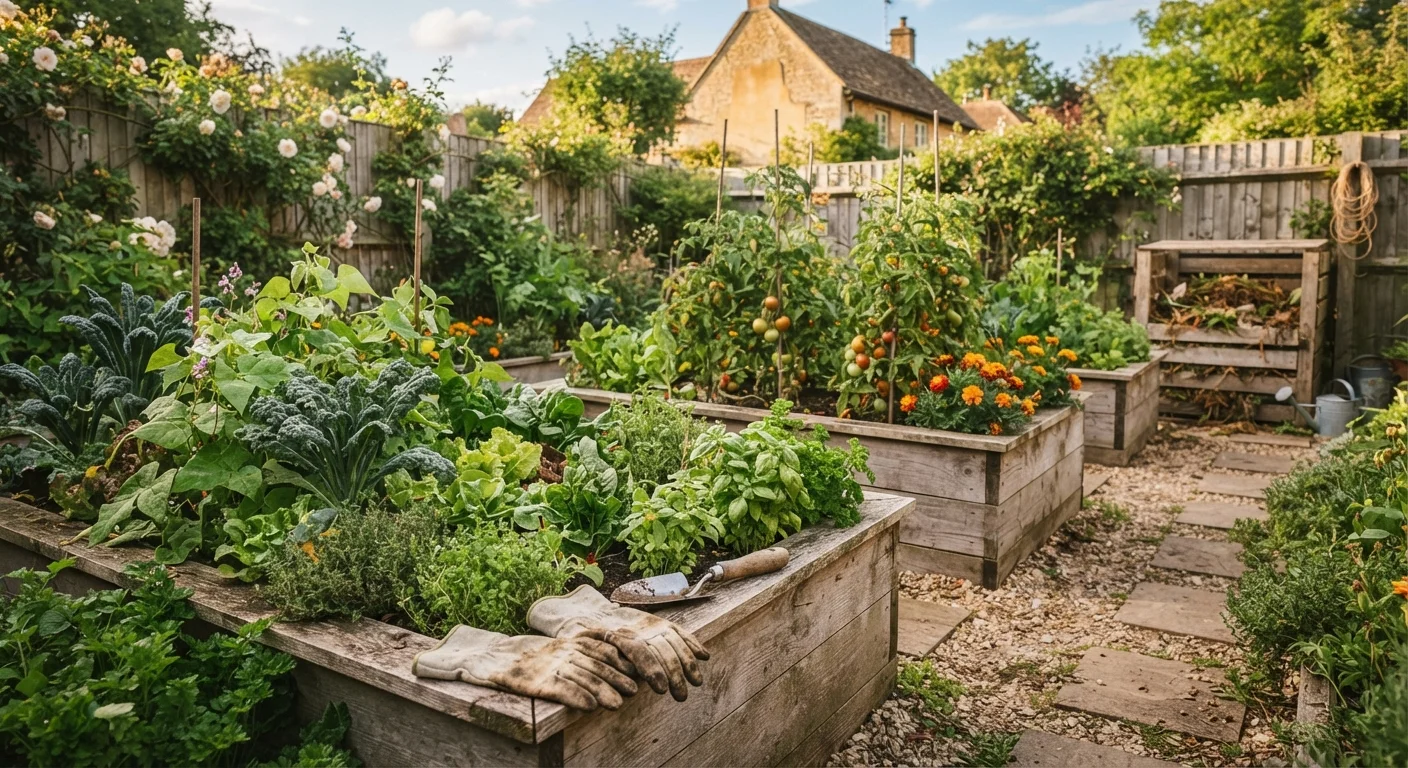
Your garden layout will shape how easily organic methods work for you. Raised beds, for example, give you control over soil composition from the start - a significant advantage when building organic matter. In-ground plots may require more amendment work upfront. Our comparison of raised beds, in-ground plots, and containers walks through the practical differences.
Seed starting is another decision with organic implications. Some gardeners prefer starting from seed to control inputs from day one, while others opt for transplants. The seeds vs. transplants breakdown can help you weigh what fits your approach and timeline.
Is Organic Gardening Worth It for a Home Grower?
The answer depends on what you value most. If you want maximum yield with minimum effort in your first season, conventional methods may feel more forgiving. But if you're building a garden you plan to tend for years, organic practices tend to improve results incrementally - better soil structure, stronger plant resistance, and a more balanced backyard ecosystem over time.
It's also not all-or-nothing. Many home gardeners use a mixed approach: organic soil amendments and compost as a foundation, while selectively using other inputs when problems arise. Starting small - a raised bed or a few containers - lets you experiment with organic methods before committing your whole yard.